






Frying Pans
Filters
5 products
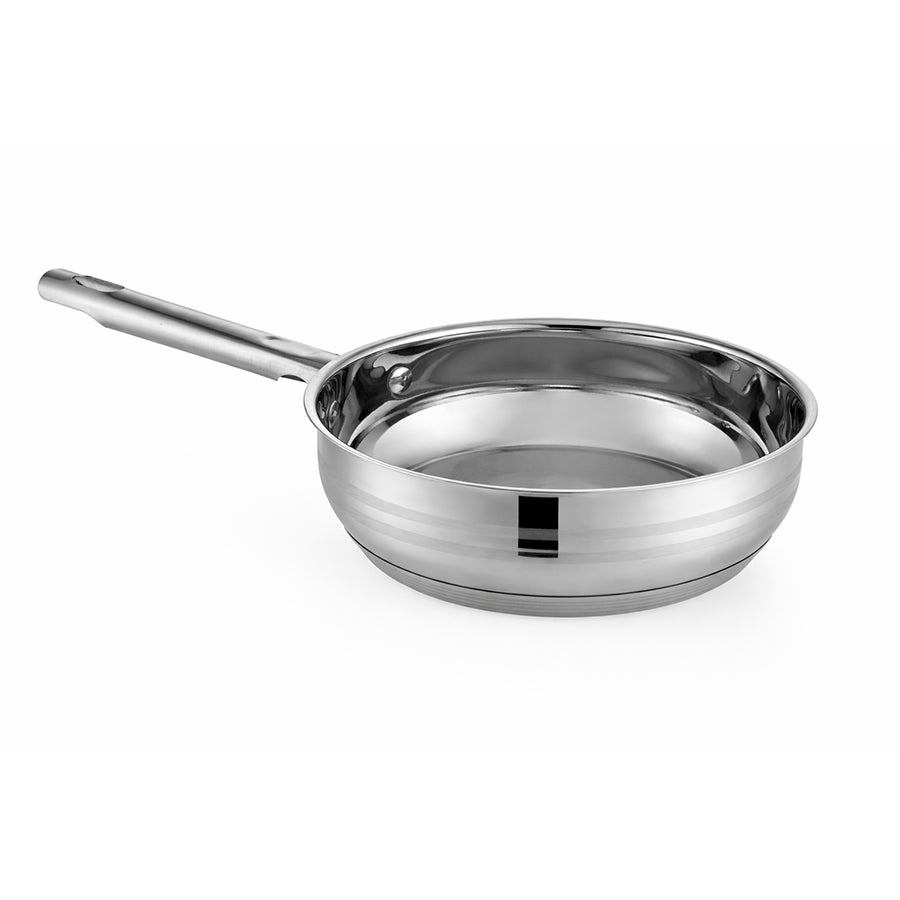
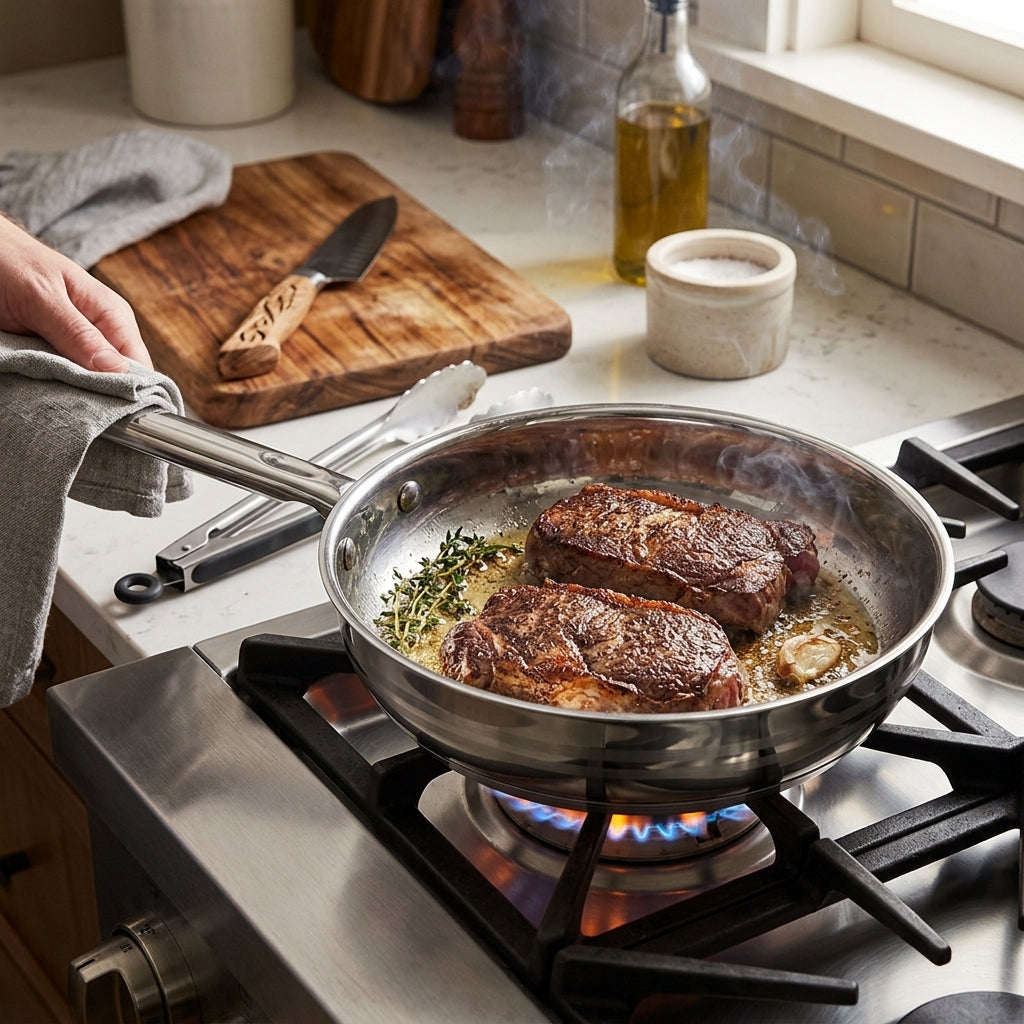
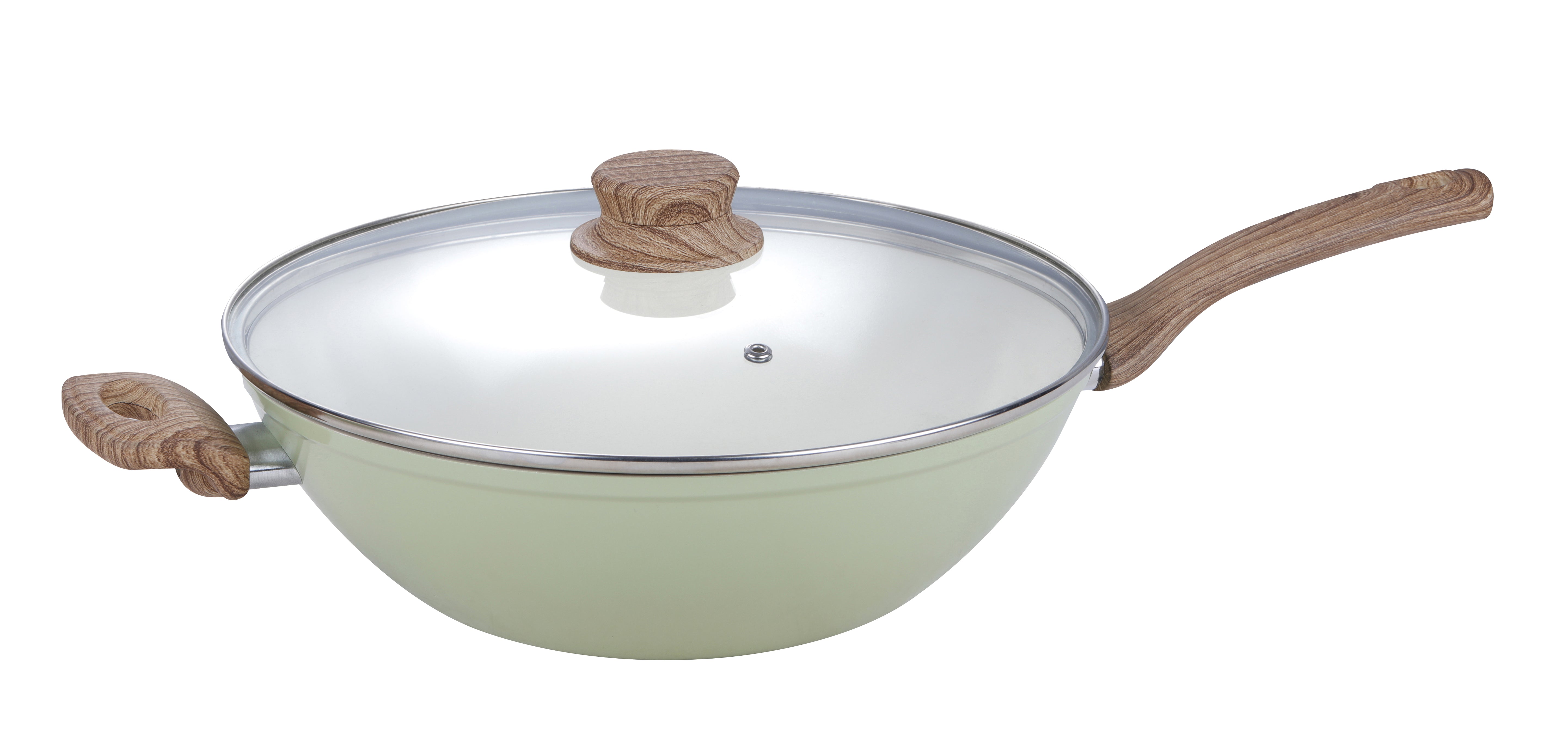
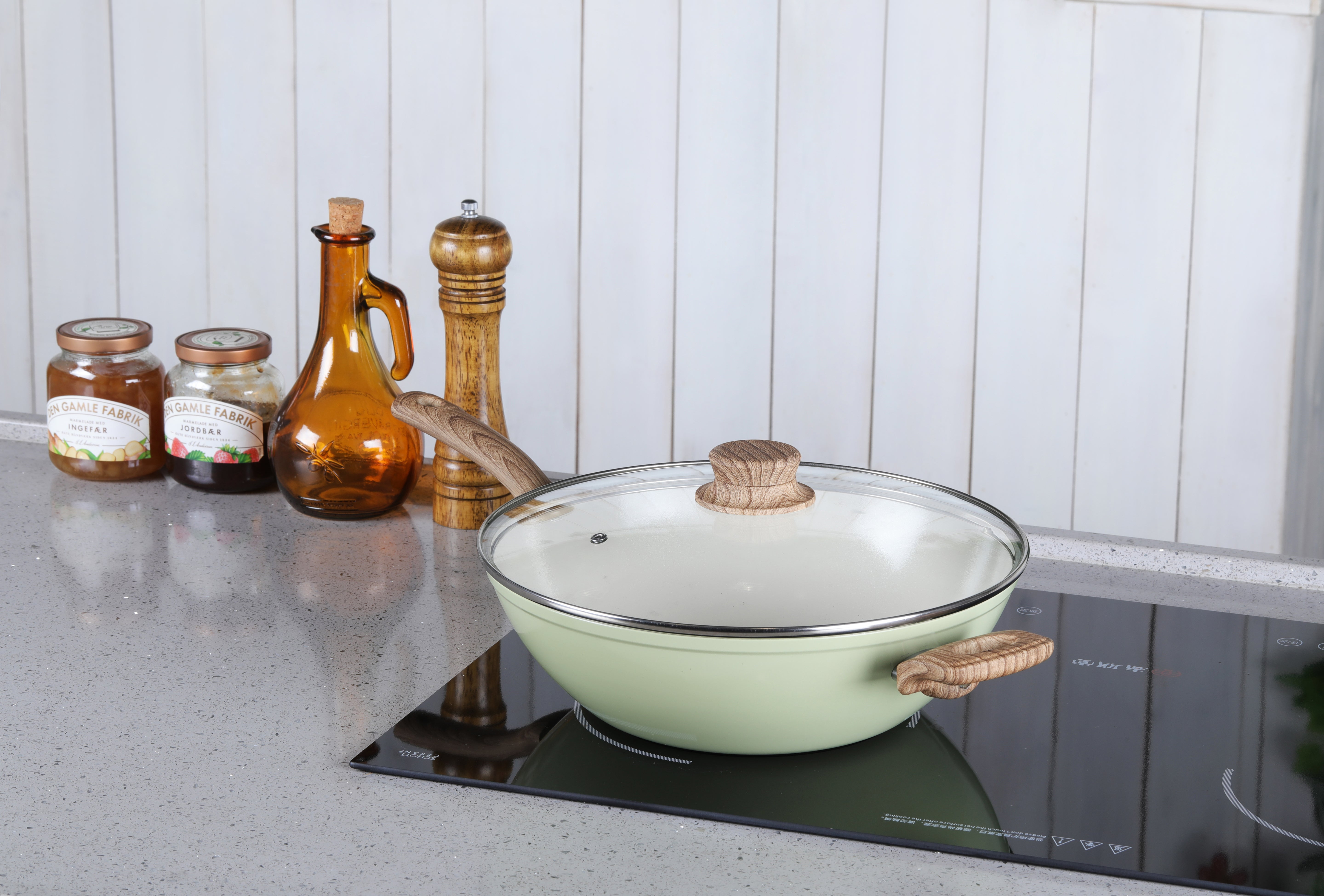
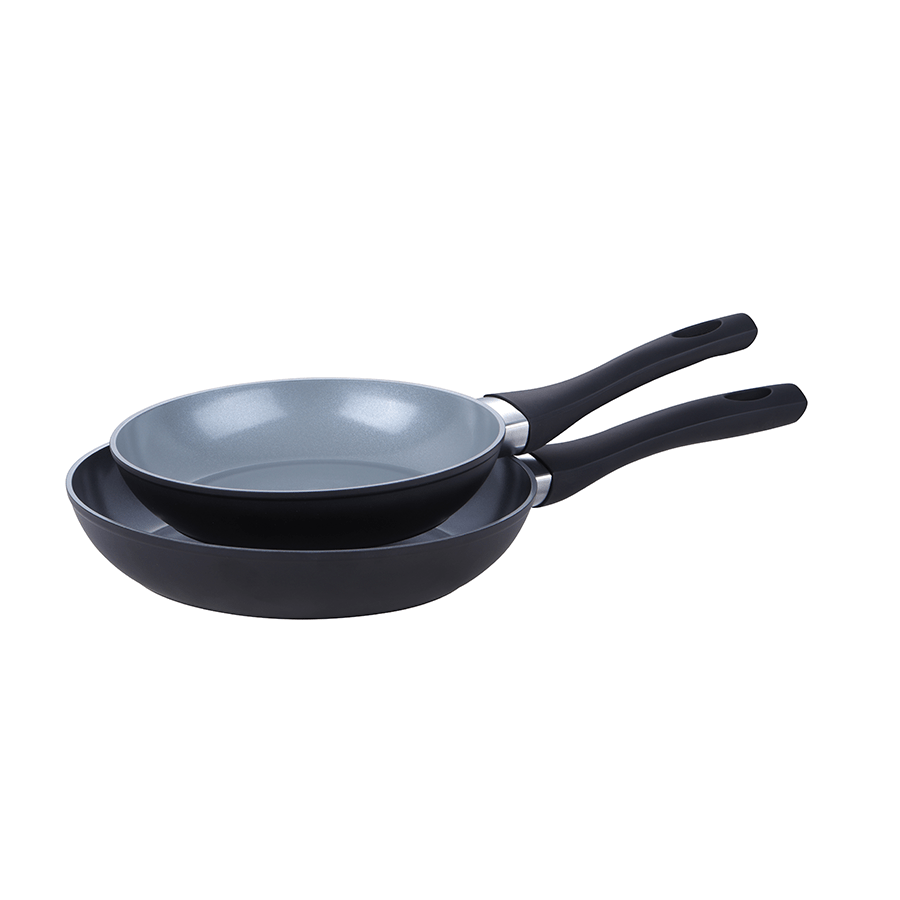
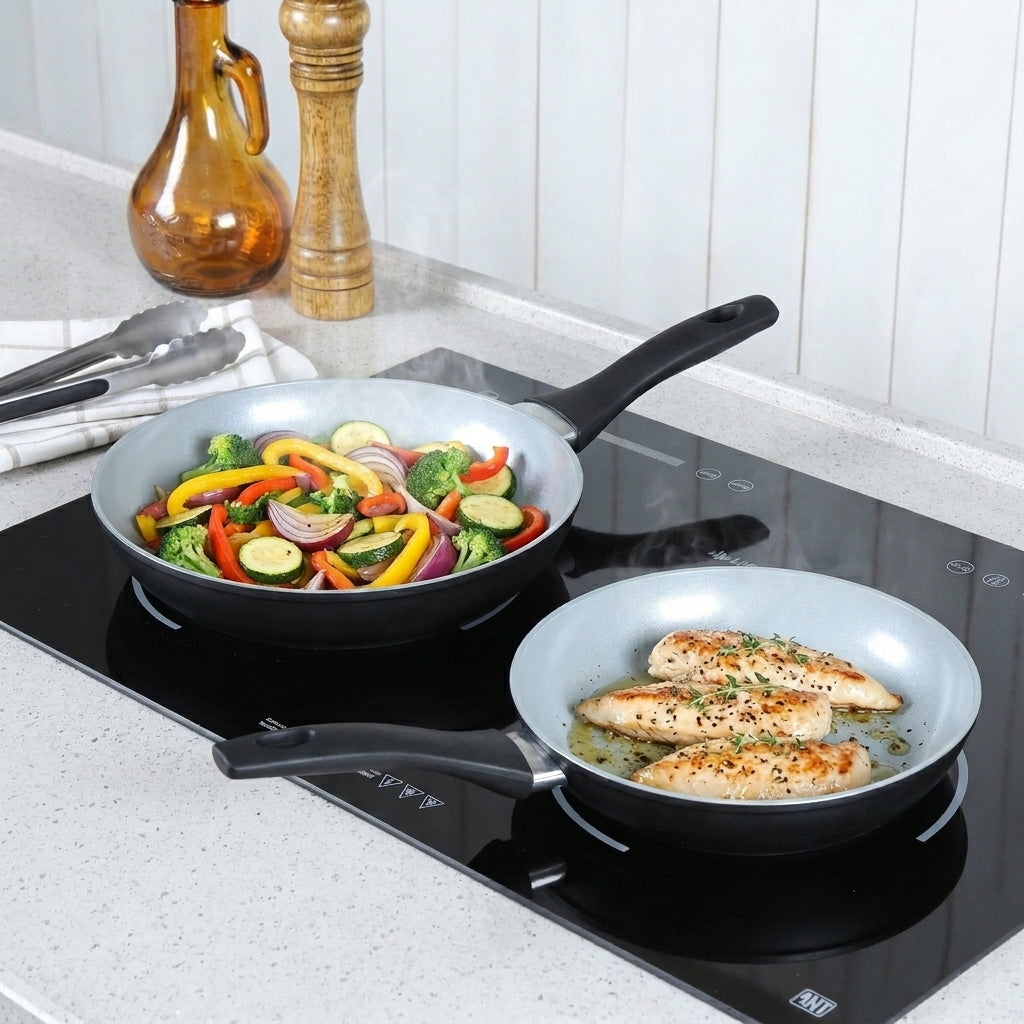
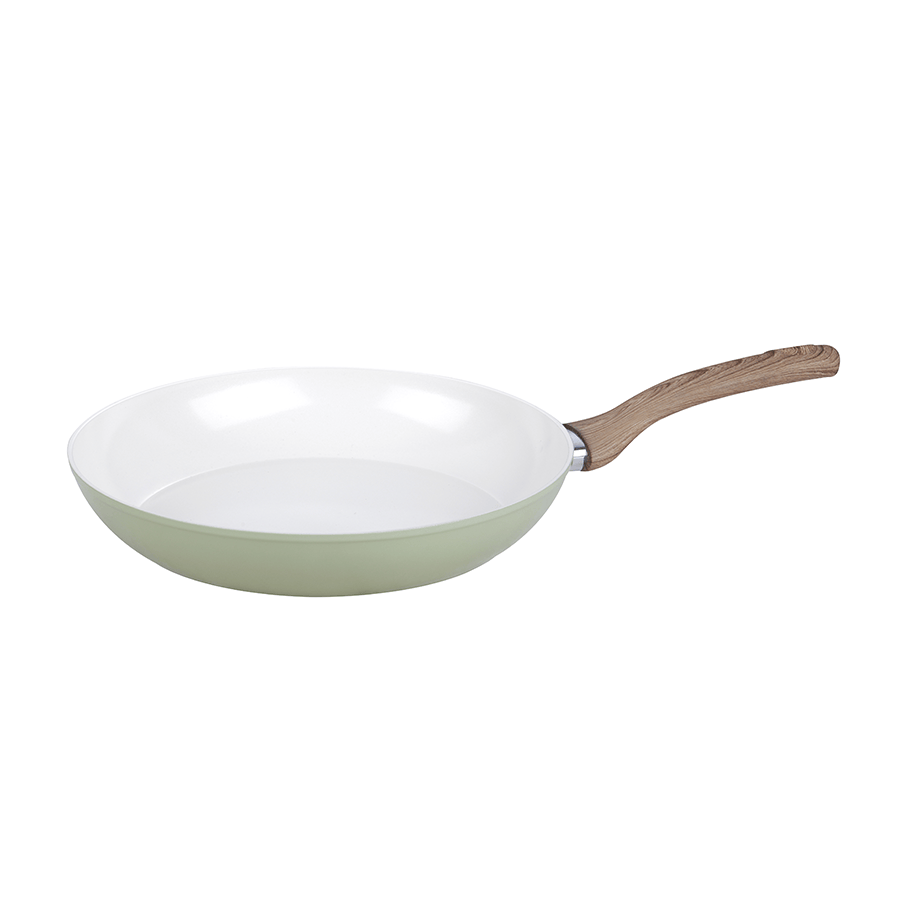
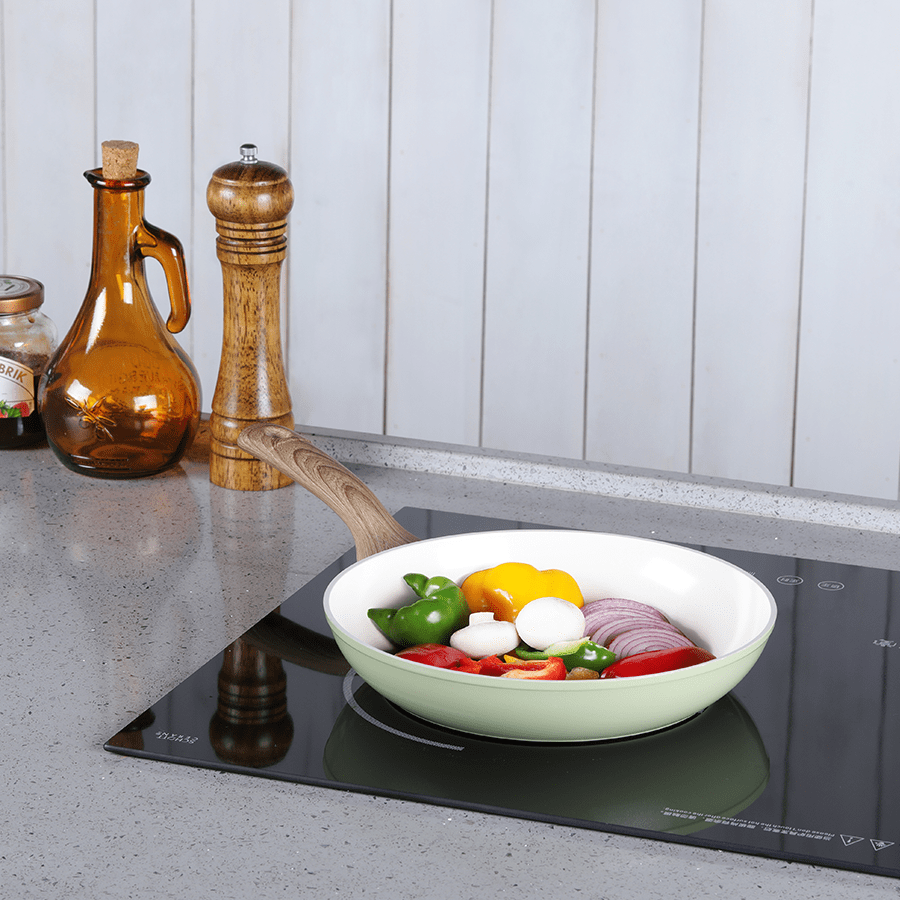
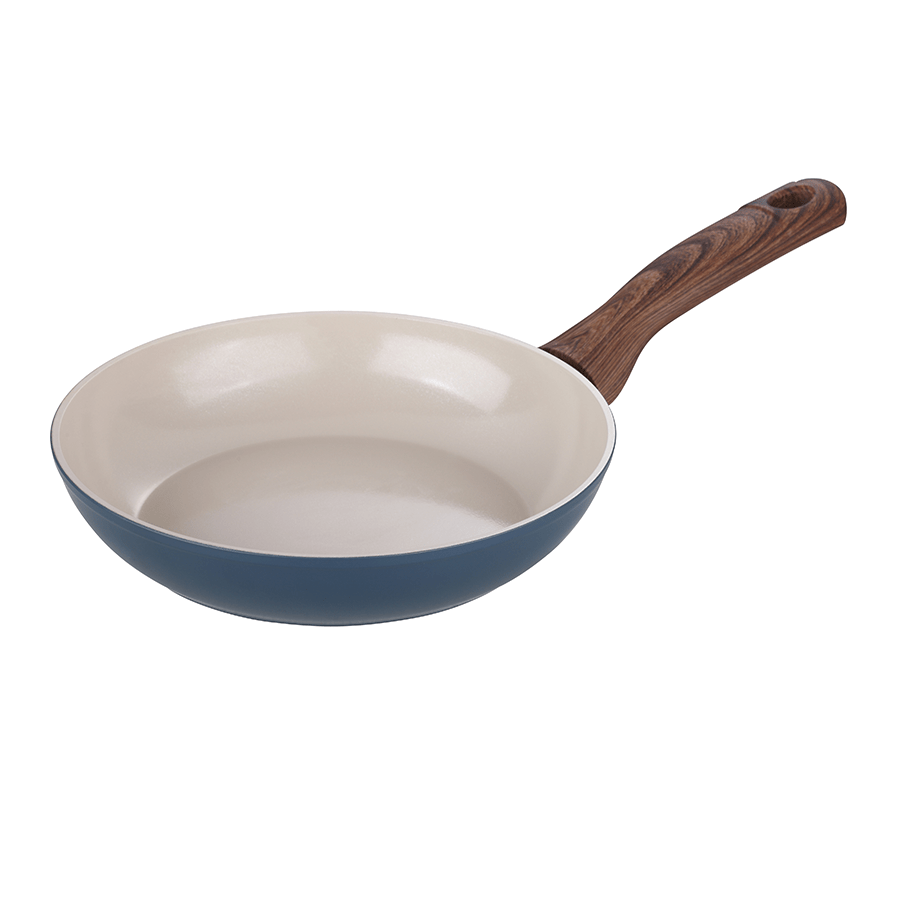
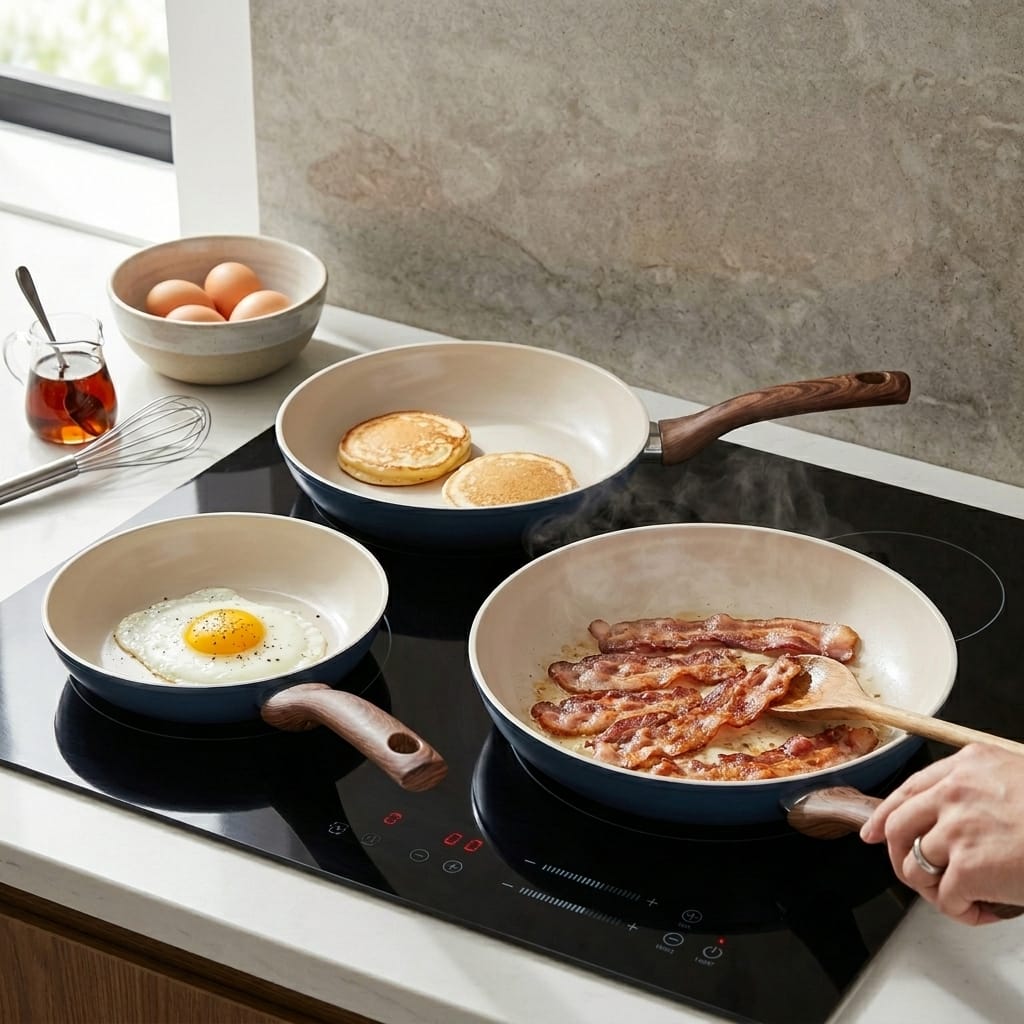
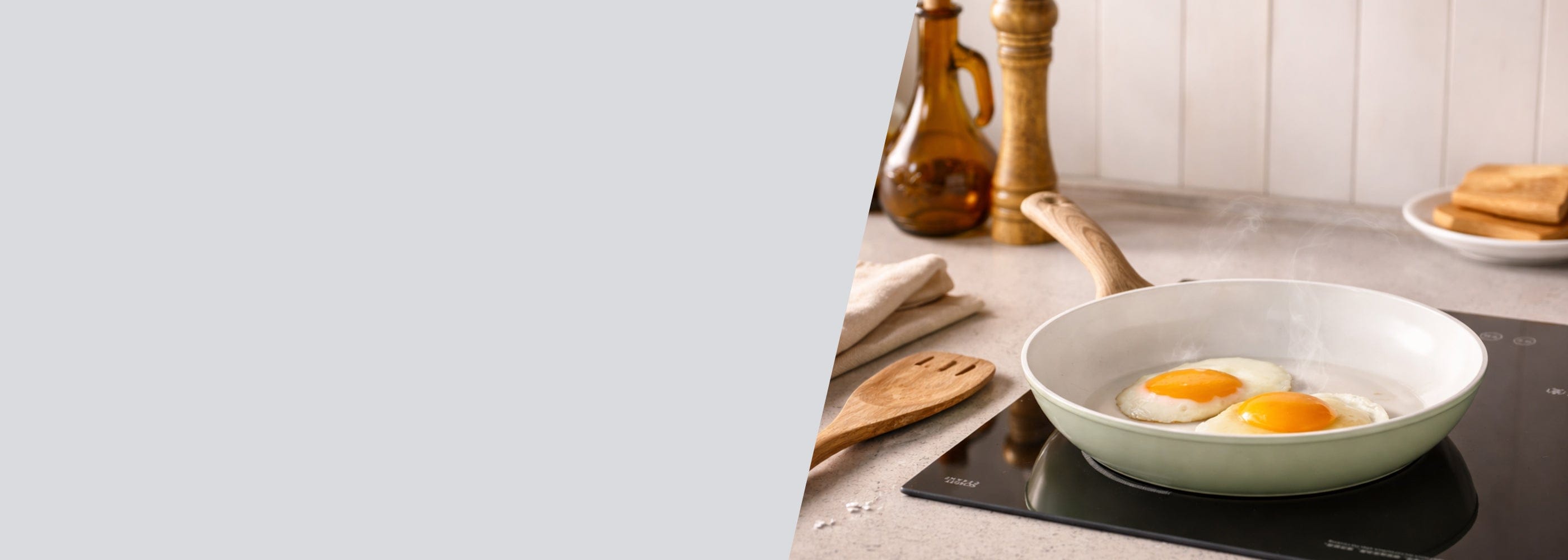
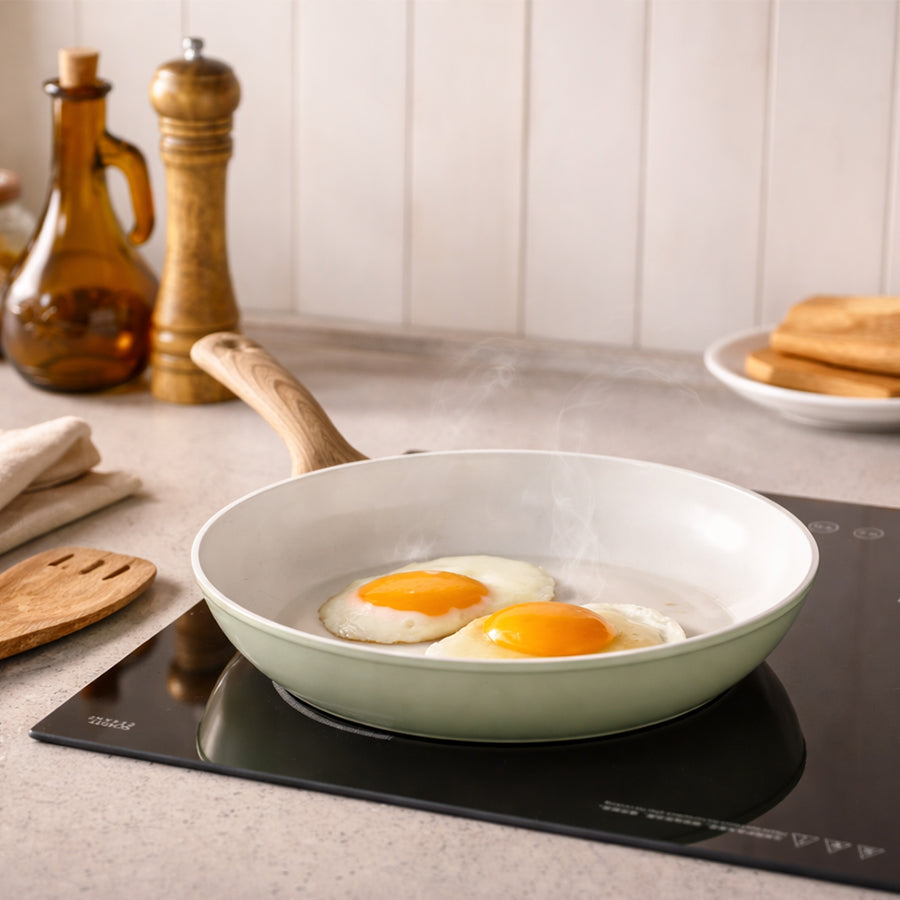
A frying pan is one of the most versatile cooking tools, handling everything from fried eggs and pancakes to searing meats and sautéing vegetables.
Mandaue Foam’s collection features a variety of materials and finishes designed for different cooking styles, so every home cook can find the best frying pan for daily use.
Kinds of Frying Pans
Frying pans come in many types, each designed to handle different cooking needs effectively:
- Nonstick Frying Pan: Easy release with less oil required, ideal for eggs and pancakes.
- Stainless Steel Frying Pan: Durable, oven safe, and excellent for searing meat.
- Cast Iron Frying Pan: Superior heat retention, perfect for steaks and baking.
- Ceramic Pan: Non-toxic and scratch-resistant, well-suited for vegetables and lighter meals.
- Aluminum Core Pan: Lightweight, heats quickly, and reduces hot spots during cooking.
Why Choose Our Frying Pans: Key Benefits
Our frying pans are built for reliable performance and long-lasting use. Sloping sides and balanced weight support professional cooking techniques, while cool-touch handles and oven-safe designs add comfort and versatility.
Furthermore, scratch-resistant coatings and even heat distribution ensure consistent results with less effort.
At Mandaue Foam, we pair these features with our commitment to affordable quality. Every frying pan is designed to meet the needs of Filipino households without sacrificing durability.
Alongside cookware, we also provide dining furniture and kitchen storage solutions to complete your cooking space.
Construction & Materials
The choice of material directly affects how a frying pan performs, from heat retention to durability. Here are the most common options in our collection:
- Cast Iron: Known for excellent heat retention, it improves with seasoning and can last for decades.
- Stainless Steel: Resists corrosion and supports high-temperature cooking, often used in professional kitchens.
- Aluminum: Lightweight and quick to heat, sometimes layered with stainless steel for strength.
- Ceramic Coating: Provides a PFOA-free, smooth, non-stick surface that releases food easily.
- Multilayer Aluminum Core: Combines fast heating with even distribution, reducing
Cleaning & Care Instructions
Proper cleaning ensures your frying pans last longer and perform better. For non-stick pans, use warm soapy water and a soft sponge to avoid damaging the coating. Hand washing is recommended, though some are dishwasher safe.
On the other hand, stainless steel models can withstand tougher scrubbing, but avoid harsh chemicals that dull the finish. Lastly, cast iron requires seasoning after cleaning—dry completely, coat lightly with oil, and store in a dry place.
To keep pans organized and scratch-free, we recommend storing them in durable kitchen drawer organizers.
Expert Chef Tips
Use each pan with the right cooking surface for the best results. Preheat stainless steel before adding oil to reduce sticking, and keep cast iron seasoned to create a natural non-stick layer that adds flavor over time.
You should also protect nonstick coatings by using a wooden spatula or silicone utensils. For the best sear, avoid overcrowding the pan and apply high heat only when necessary to prevent hot spots.
Frequently Asked Questions (FAQs)
What Is the Frying Pan Used For?
A frying pan is designed for frying, browning, and searing food. Its wide, flat cooking surface and sloping sides make it versatile for everyday cooking tasks.
Which Type of Frying Pan Is Best?
The best frying pan depends on your needs. Cast iron is excellent for searing and oven use, while non-stick pans excel at low oil cooking and easy cleaning.
What Are the Uses of a Pan?
A pan can be used for frying, sautéing, stir-frying, searing, and even shallow baking. Its design makes it suitable for quick meals and more complex recipes.
What Is the Healthiest Pan to Fry In?
Ceramic and stainless steel pans are often considered the healthiest, as they are free from synthetic coatings and can handle high temperatures without releasing harmful compounds.




By switching the branch some items in your cart will be cleared depending on the availability of the item. Would you like to proceed?