





Filters
12 products
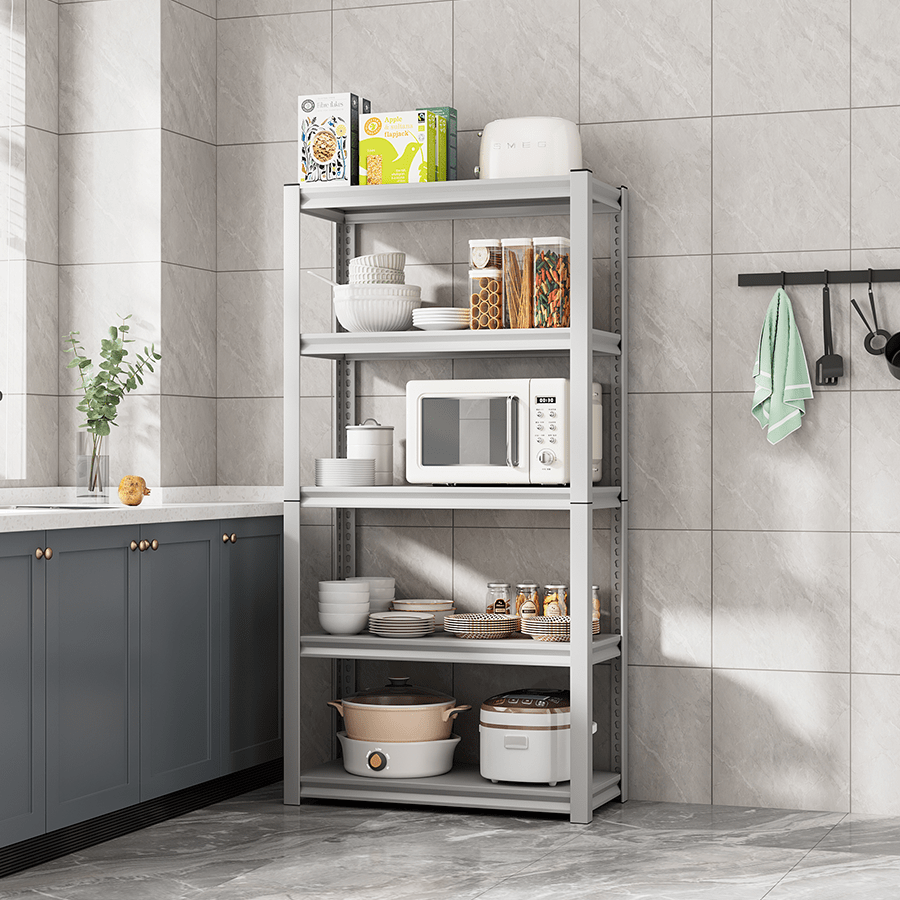

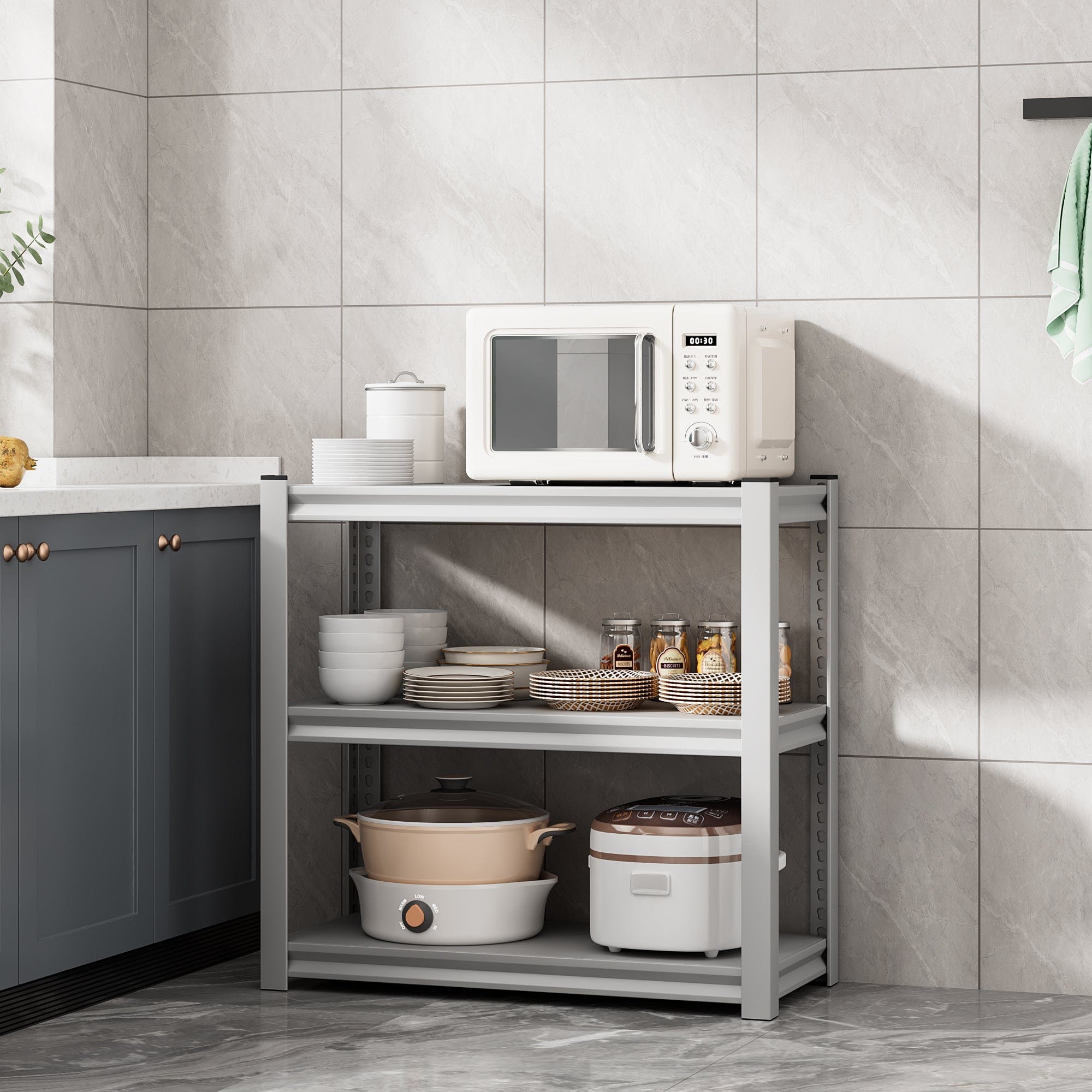
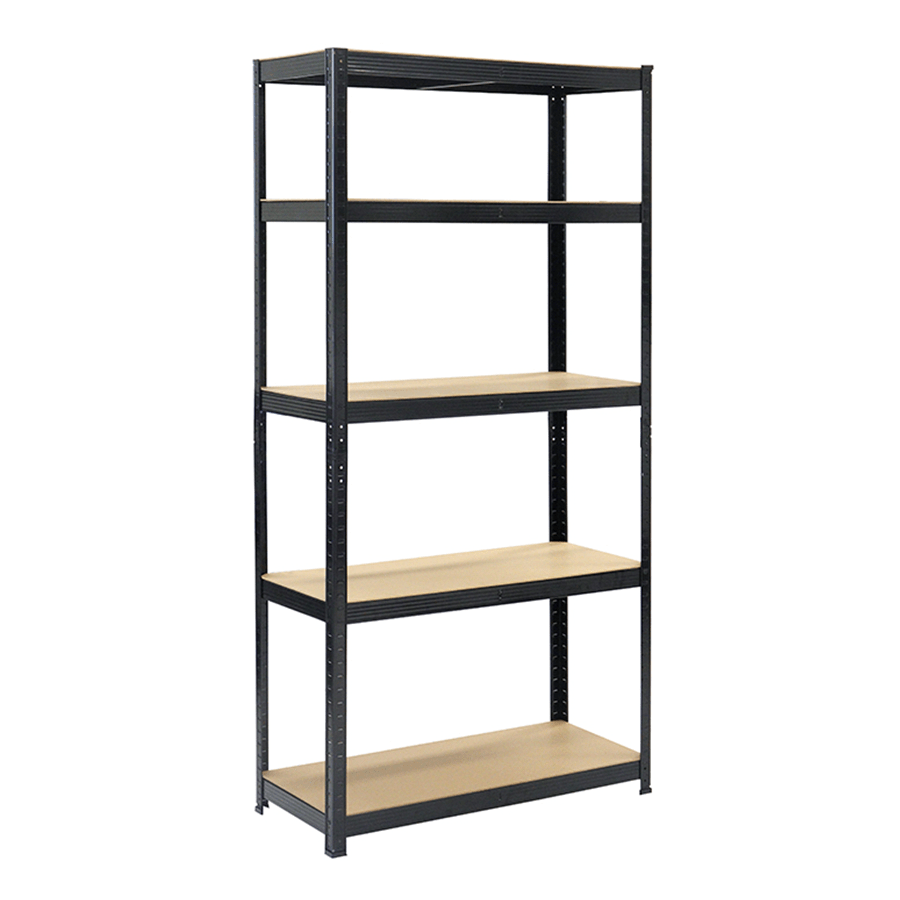

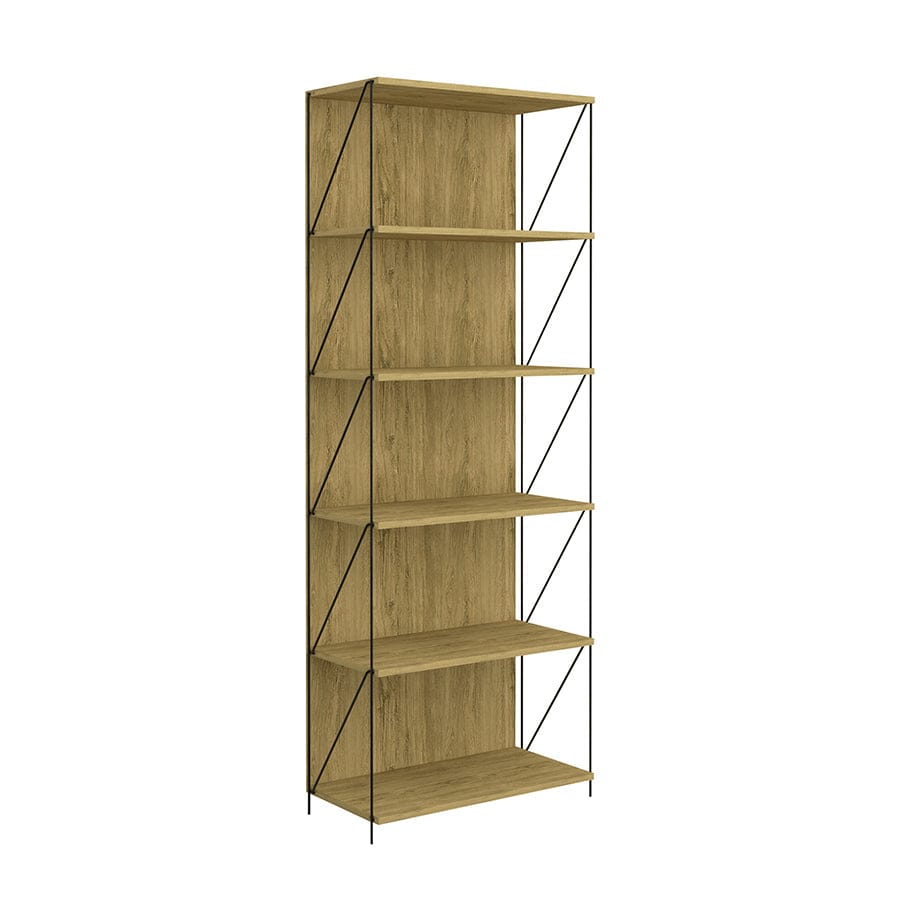

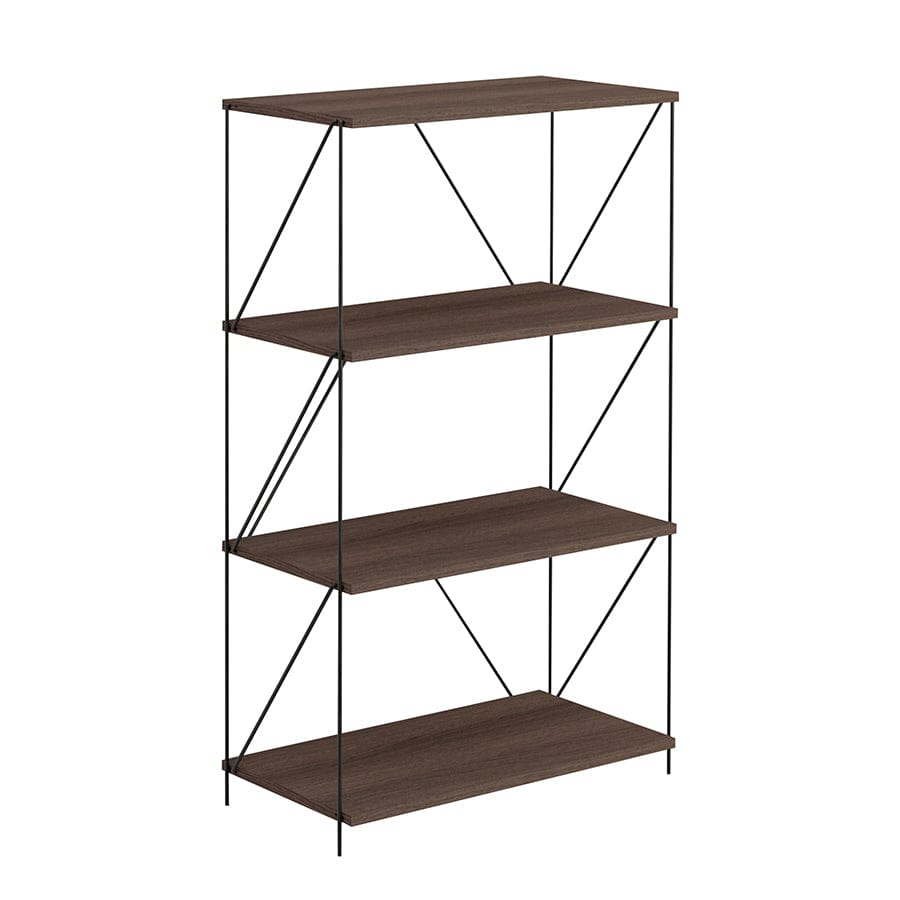

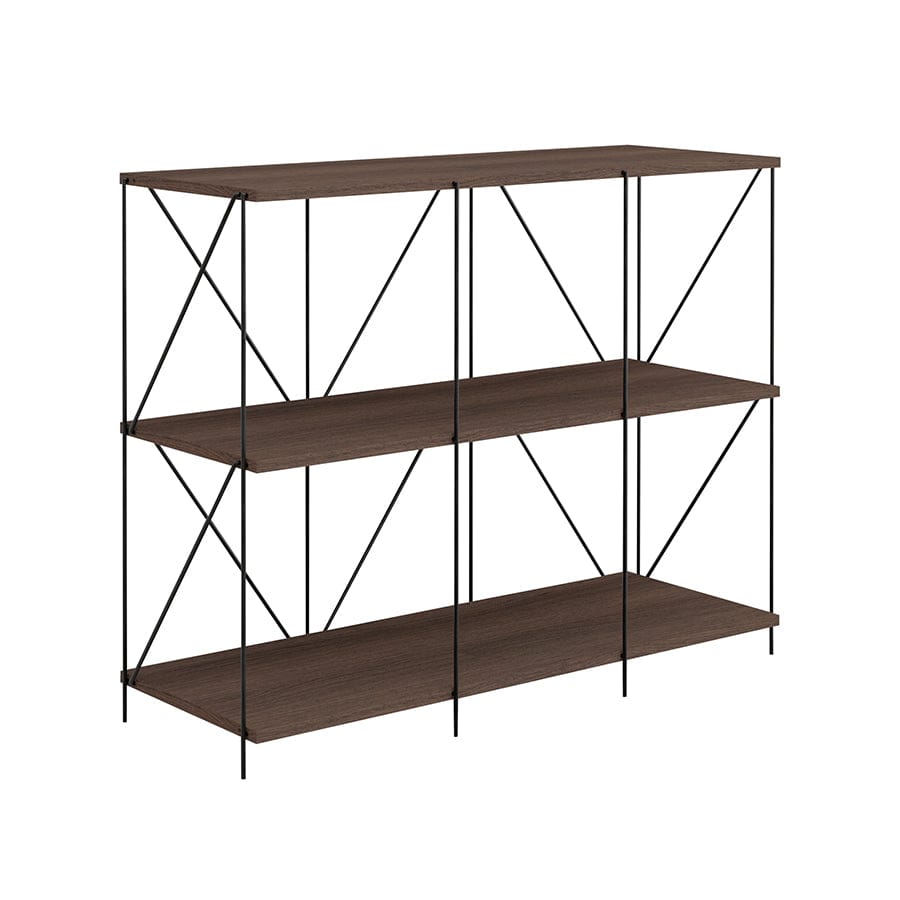

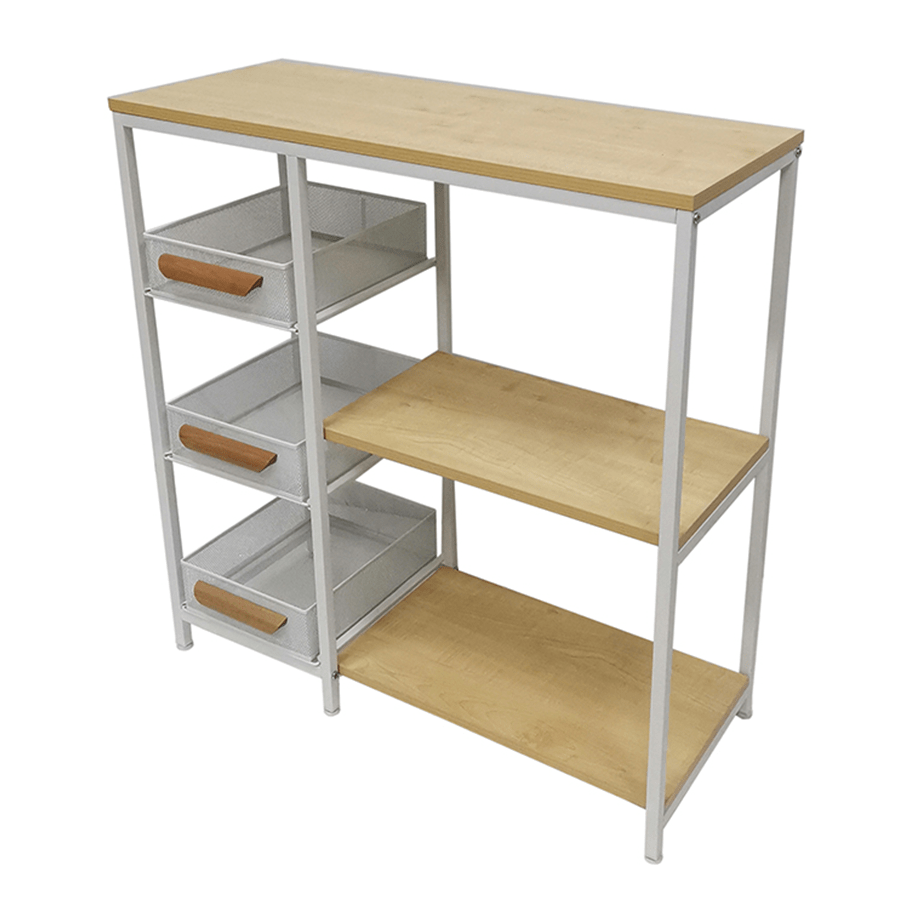
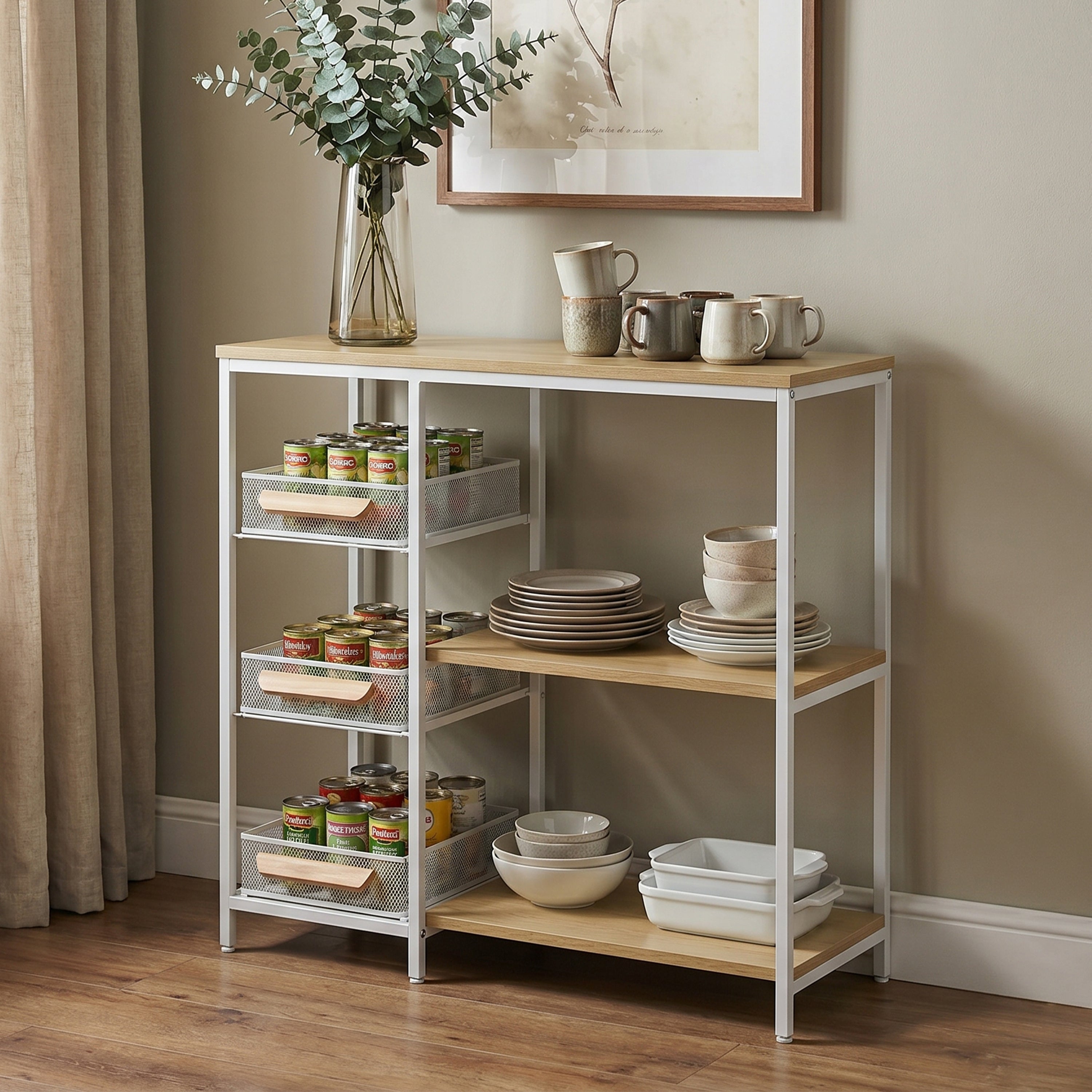
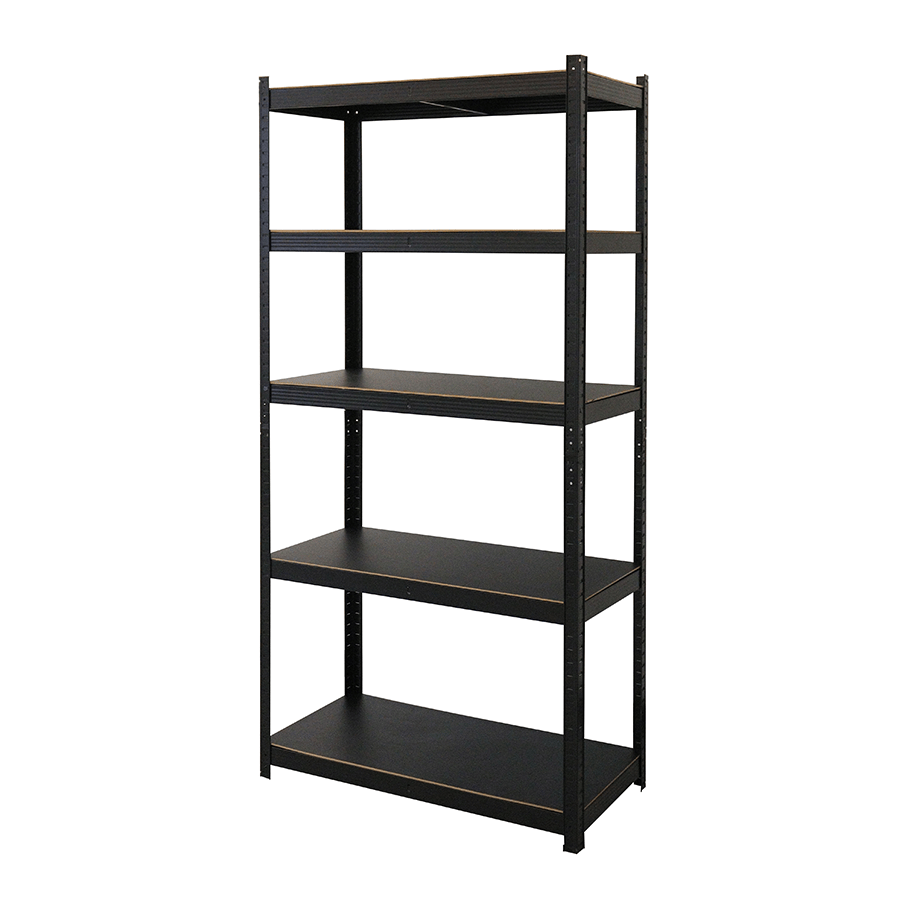

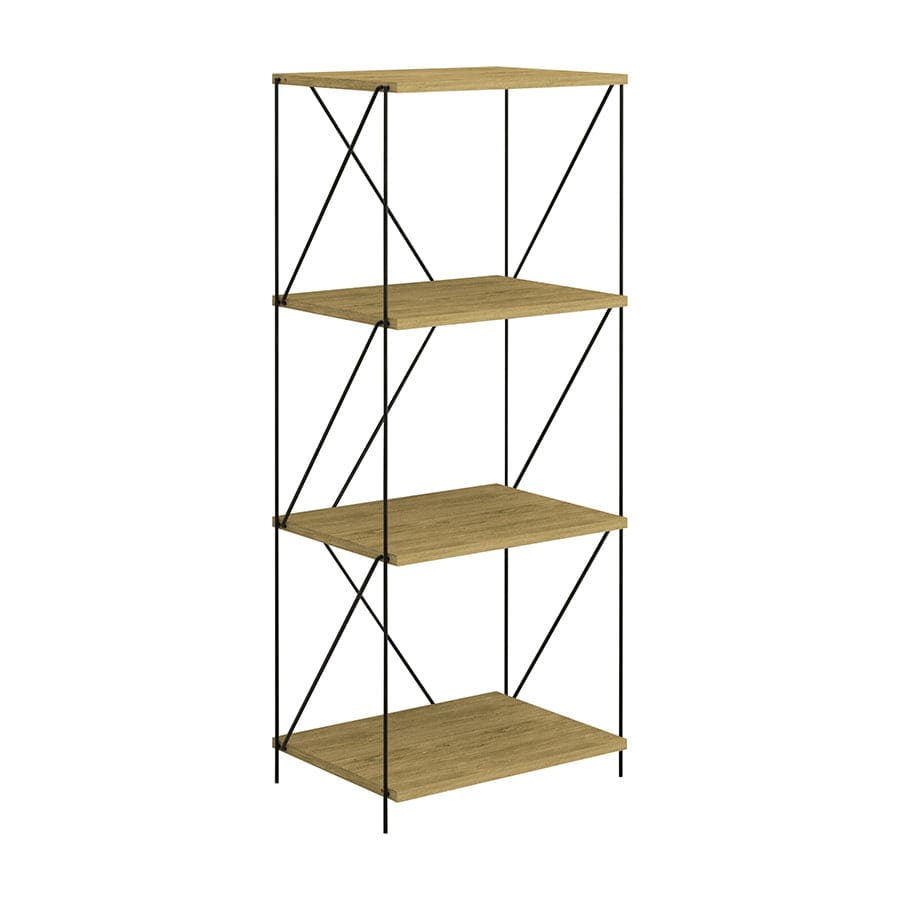

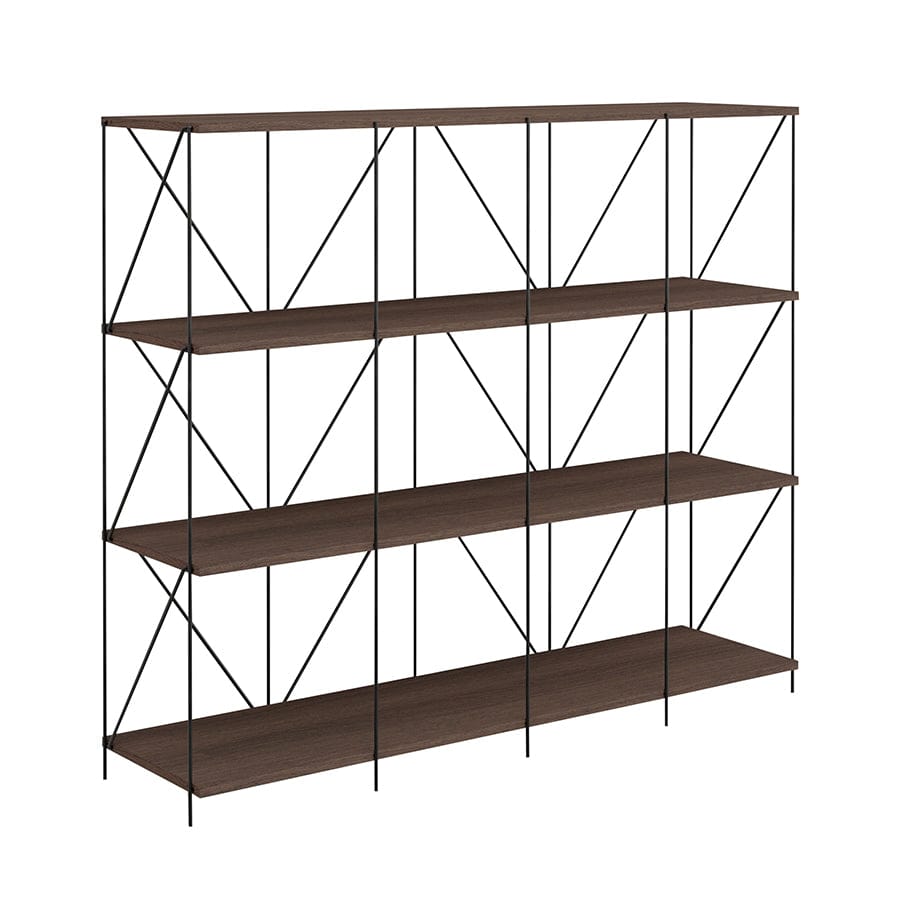


Key Benefits of Our Wooden Shelves
Our wood shelves combine strength, eco-friendly craftsmanship, and design flexibility, making them a practical choice for homes, offices, and commercial spaces.
They integrate seamlessly into any room, whether serving as display shelves in living areas, providing functional storage in kitchens, or acting as stylish dividers in open layouts.
One of the greatest advantages is their ability to carry heavy loads with reliable strength while maintaining a clean and attractive appearance. In addition, the wide variety of designs allows them to complement both modern and traditional décor.
Because they are crafted from responsibly sourced wood, they also offer a sustainable solution that balances durability with environmental care.
Finally, their affordability ensures that quality shelving remains accessible, while easy integration into different spaces makes them a versatile option for long-term use.
Wood Types Guide
Choosing the right material ensures your shelves meet both style and functional needs. Some of the most common ones include:
Pine: Lightweight, affordable, and ideal for decorative or light storage.
Oak: Strong, durable, and best for daily-use shelving.
Walnut: Rich tones and smooth grain, perfect for elegant displays.
How Do I Choose the Right Wood Shelves for My Space?
When choosing wood shelves, start with purpose and placement.
For living rooms and bedrooms, consider deeper wooden shelves or bookcases that can hold books, decor, and photo frames without feeling crowded. In kitchens or home offices, slimmer wall shelves work well for everyday essentials and frequently used items.
Next, look at weight and size. Measure your wall or floor area carefully, and check how much load your shelves need to carry.
Heavier items such as books, files, or decor pieces require sturdier wood shelves and secure brackets or cabinets with stable bases.
Finally, match the style and finish to your existing furniture. Light wood tones create an airy look for small spaces, while darker finishes add contrast and warmth.
Whether you choose floating shelves, wall shelves with brackets, or full storage cabinets, the right combination will keep your space organised and visually balanced.
Installation Guide
Mounting or assembling wood shelves is straightforward if you follow a few careful steps. Proper installation keeps your wall shelves stable, safe, and looking clean in any room.
Plan the Layout – Measure the wall or floor area and mark the desired height and width of your wood shelves, making sure they are level and spaced for the items you want to store.
Locate Support Points – Identify studs or use appropriate wall anchors so your brackets or shelf supports can carry the expected load.
Install Brackets or Hardware – Secure the brackets, shelf pins, or cabinet hardware tightly using the correct screws and tools for your wall type.
Position the Shelves – Place the wooden shelves on the brackets, checking again with a level to ensure everything is straight.
Check Stability and Load – Gently press and test each shelf, then gradually add items to confirm the shelving system can safely handle the weight.
Care & Maintenance
Proper care preserves the beauty and longevity of wood shelves. Use a soft cloth with a mild cleaner for regular dusting, and avoid harsh chemicals that may damage the finish.
Refinishing with oil or varnish also restores shine over time. Lastly, in the Philippine climate, place shelves away from direct sunlight and high humidity to prevent warping.
Frequently Asked Questions (FAQs)
What Type of Wood Is Best for Shelving?
Oak is ideal for durability, pine for lighter loads, and walnut for premium aesthetics. The right choice depends on intended use.
Is It More Affordable to Build or Buy Shelves?
Buying ready-made wood shelves is often more cost-effective than DIY builds, given the cost of labor, tools, and finishing materials.
What Is a Wood Shelf?
A wood shelf is a flat wooden platform mounted on walls or framed into furniture, designed to hold items securely while enhancing room design.
What Are Common Wood Shelf Problems?
Typical issues include warping from humidity, scratches from heavy use, and finish wear. These can be minimized with proper care and maintenance.




By switching the branch some items in your cart will be cleared depending on the availability of the item. Would you like to proceed?