Why You Should Invest in a Dish Drainer or Drying Rack
A dish drainer is more than a convenience—it’s a hygiene tool. After washing, letting water sit on plates, bowls, and utensils breeds bacteria.
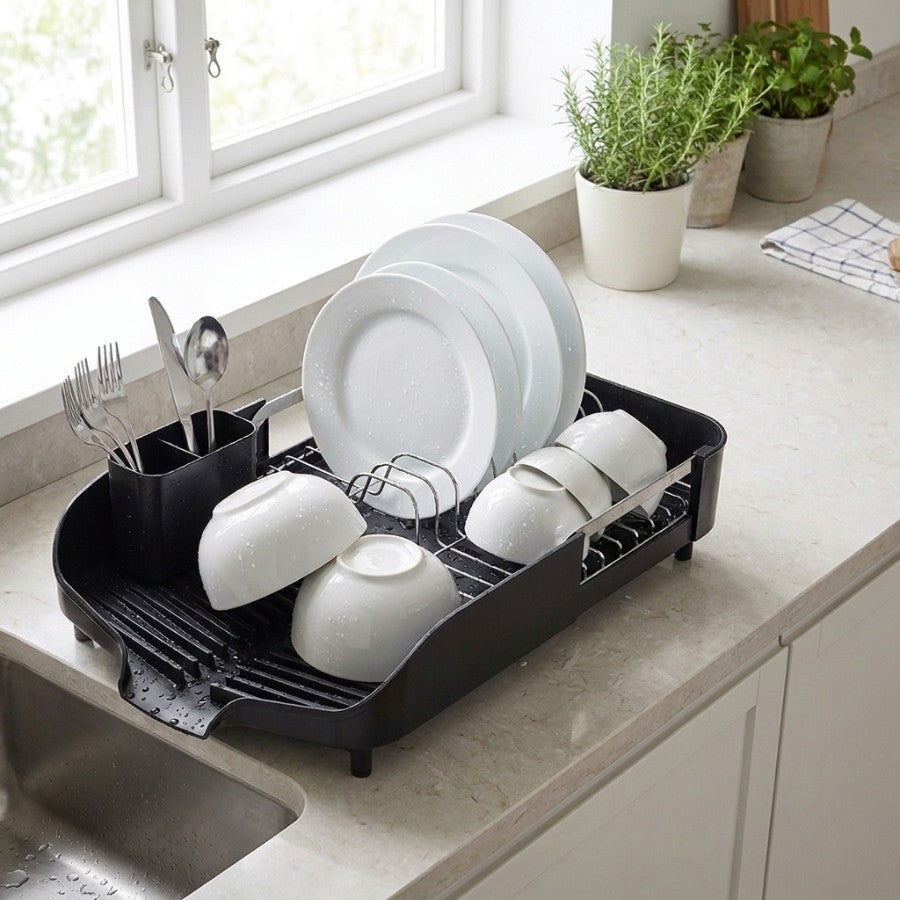
A drying rack promotes airflow around your dishware, allowing water to evaporate faster. It also prevents water from pooling on your countertop, protecting your surfaces.
For Filipino homes where space is tight, having a dedicated rack or drainer keeps the sink area clean and clutter-free.
How to Choose the Right Dish Drainer or Rack
Finding the right dish drainer or rack depends on how you use your kitchen every day. Consider these points before making a purchase:
Counter Space and Kitchen Layout – Measure the area near your sink and decide if a countertop drainer or an over-the-sink rack works better.
Household Size and Usage – A single person may only need a compact dish rack, while families benefit from a sturdier 2-tier drainer.
Material Choice – Metal, such as aluminum or stainless steel, is rust-resistant, plastic is light and affordable, and bamboo offers a stylish, natural look.
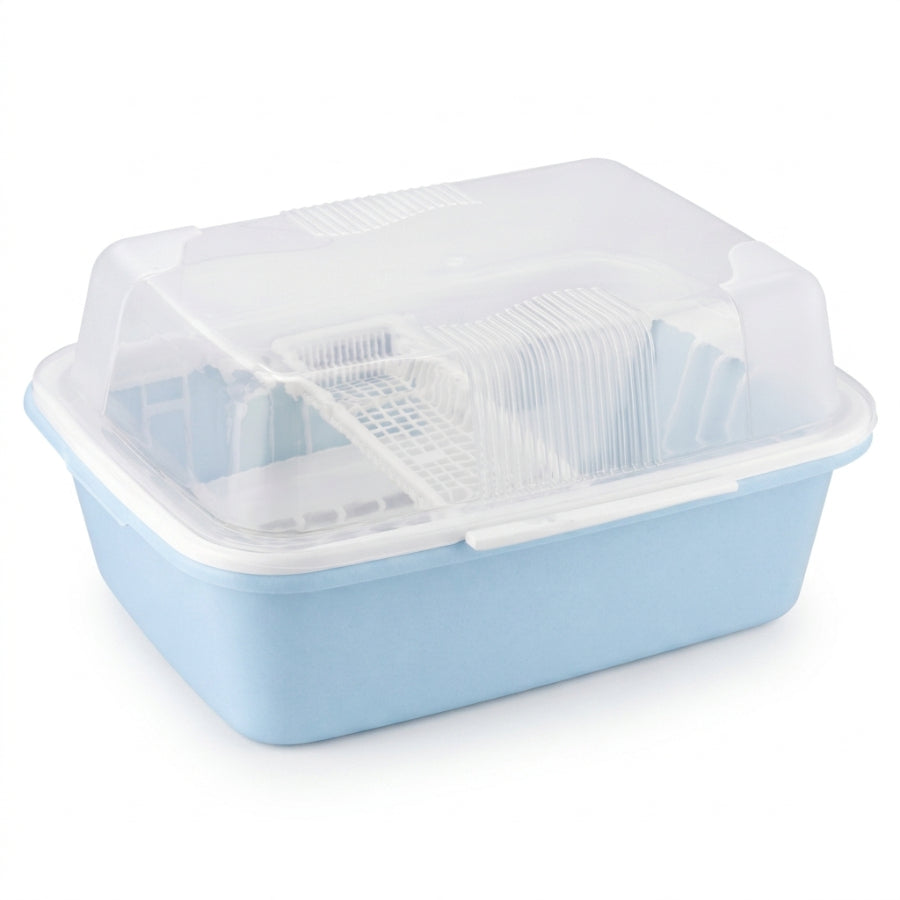
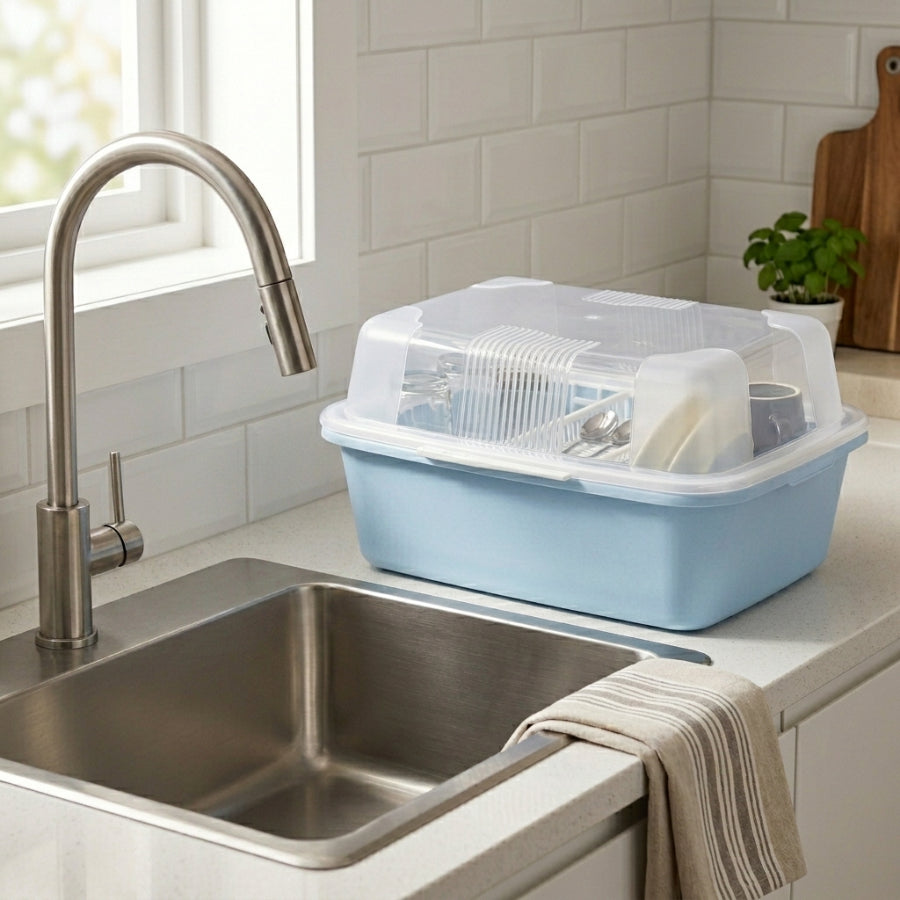
Extra Features – Options like utensil holders, rolltop covers, drip trays, and foldable racks add convenience and flexibility.
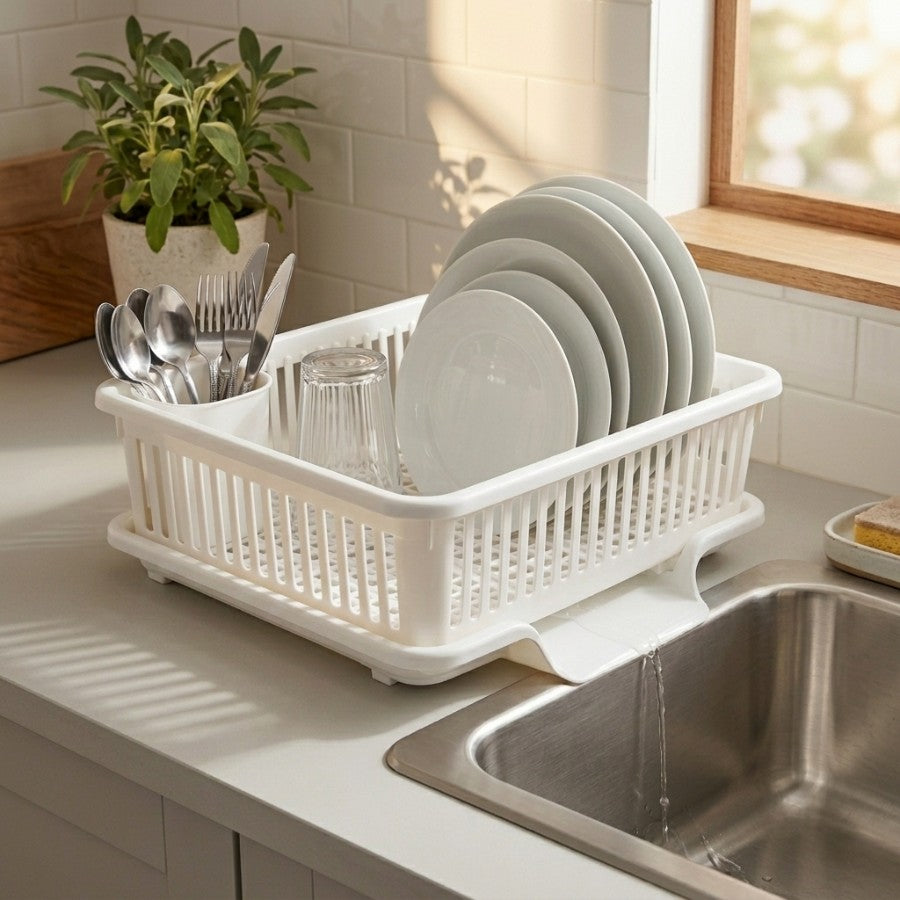
Drainage Design – Choose a drainer that channels water directly into the sink or tray, with removable parts for easy cleaning.
With these factors in mind, it becomes easier to select a dish rack from Mandaue Foam’s collection that matches both your space and lifestyle.
Types of Dish Drainers and Drying Racks
Not all kitchens need the same type of dish drainer. Choosing the right drying rack depends on your space, household size, and preferred style. Here are the main types available in the Philippines:
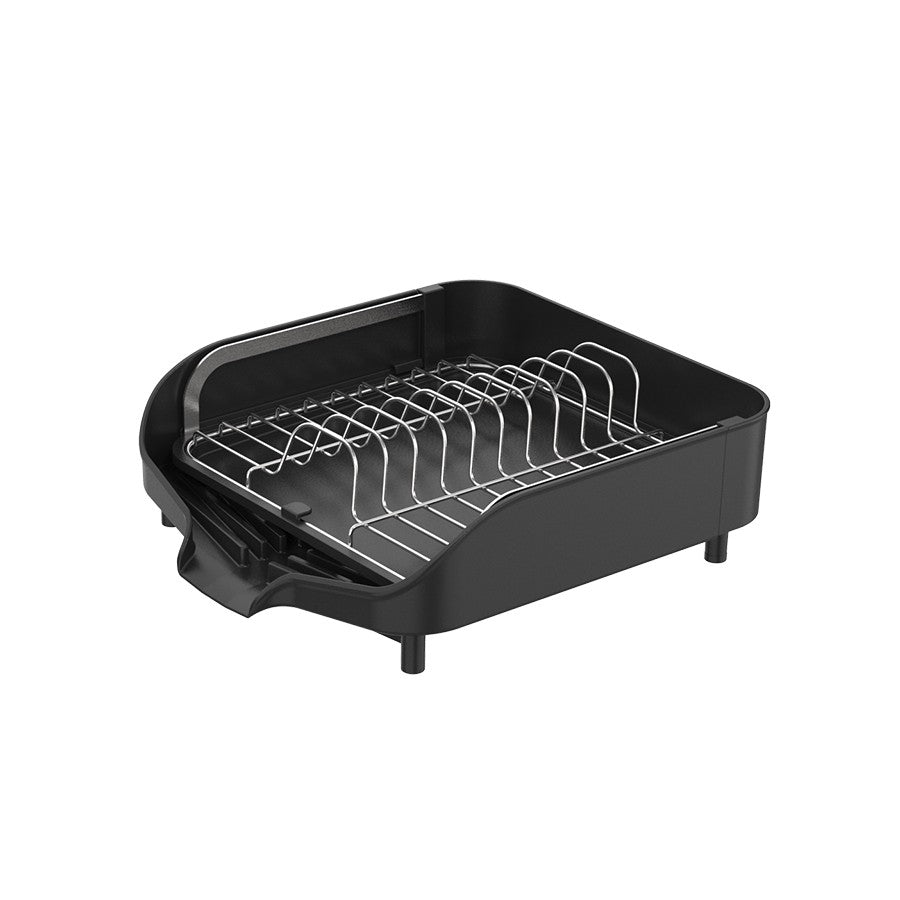
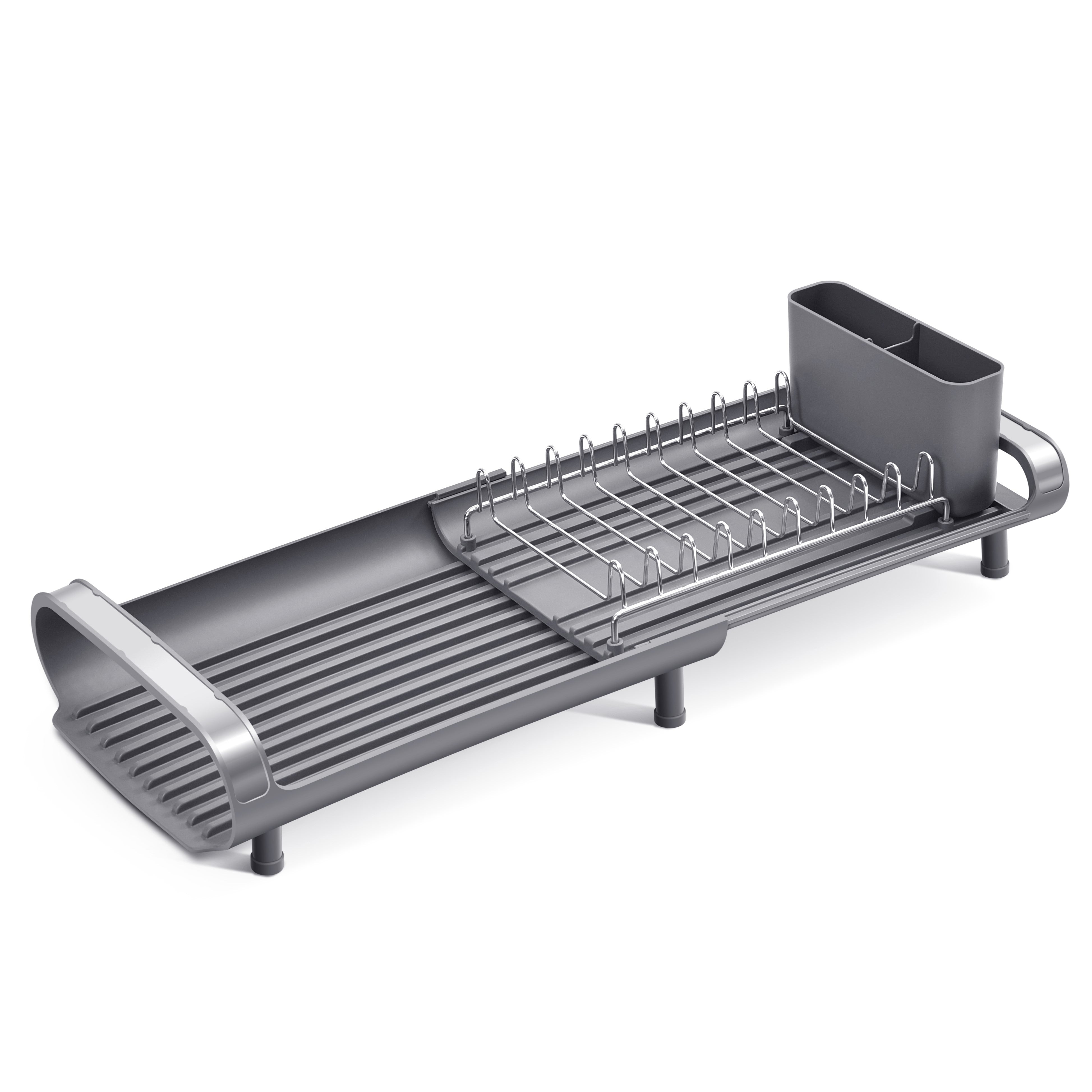
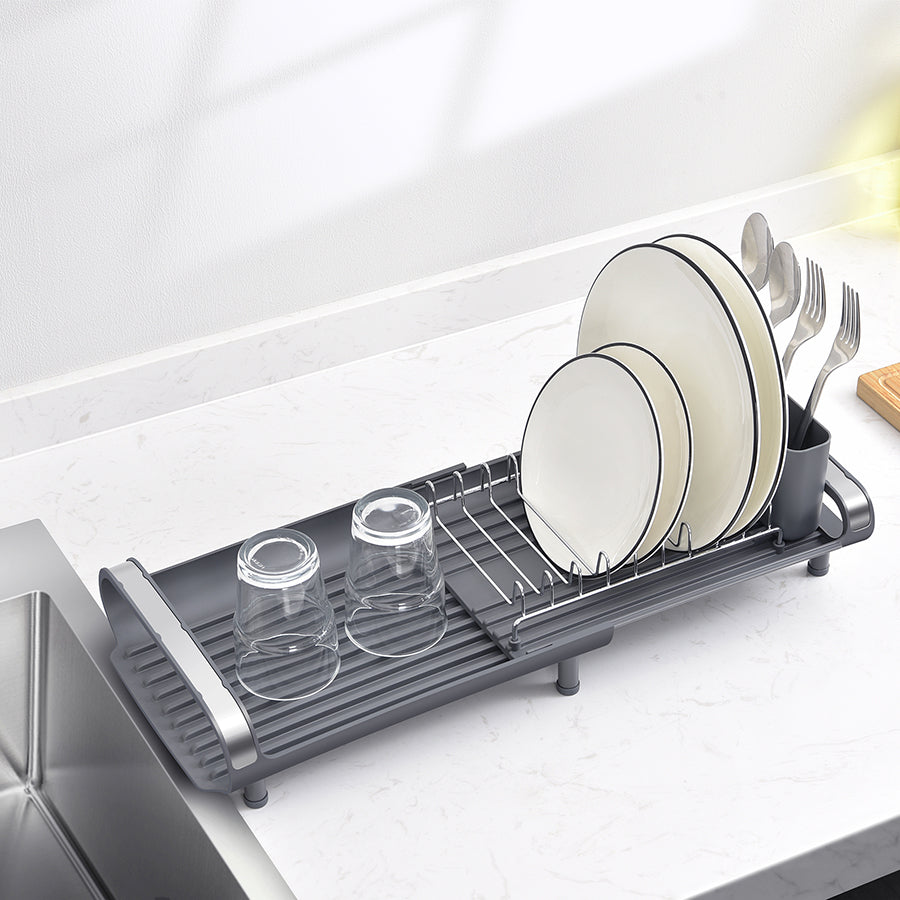
One-Tier Dish Drainers – Compact and simple, ideal for small households or limited counter space. They hold basic plates, bowls, and a few utensils.
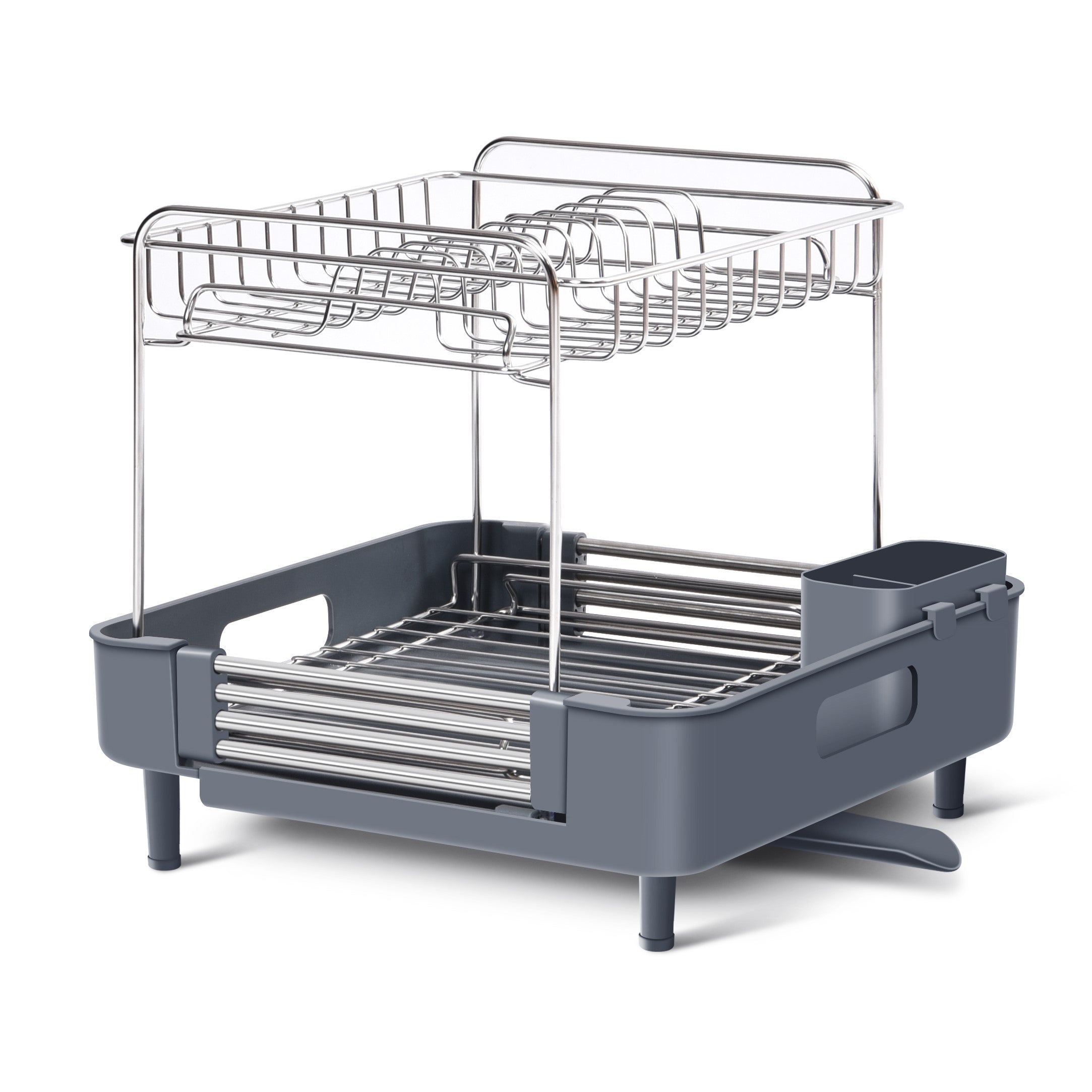
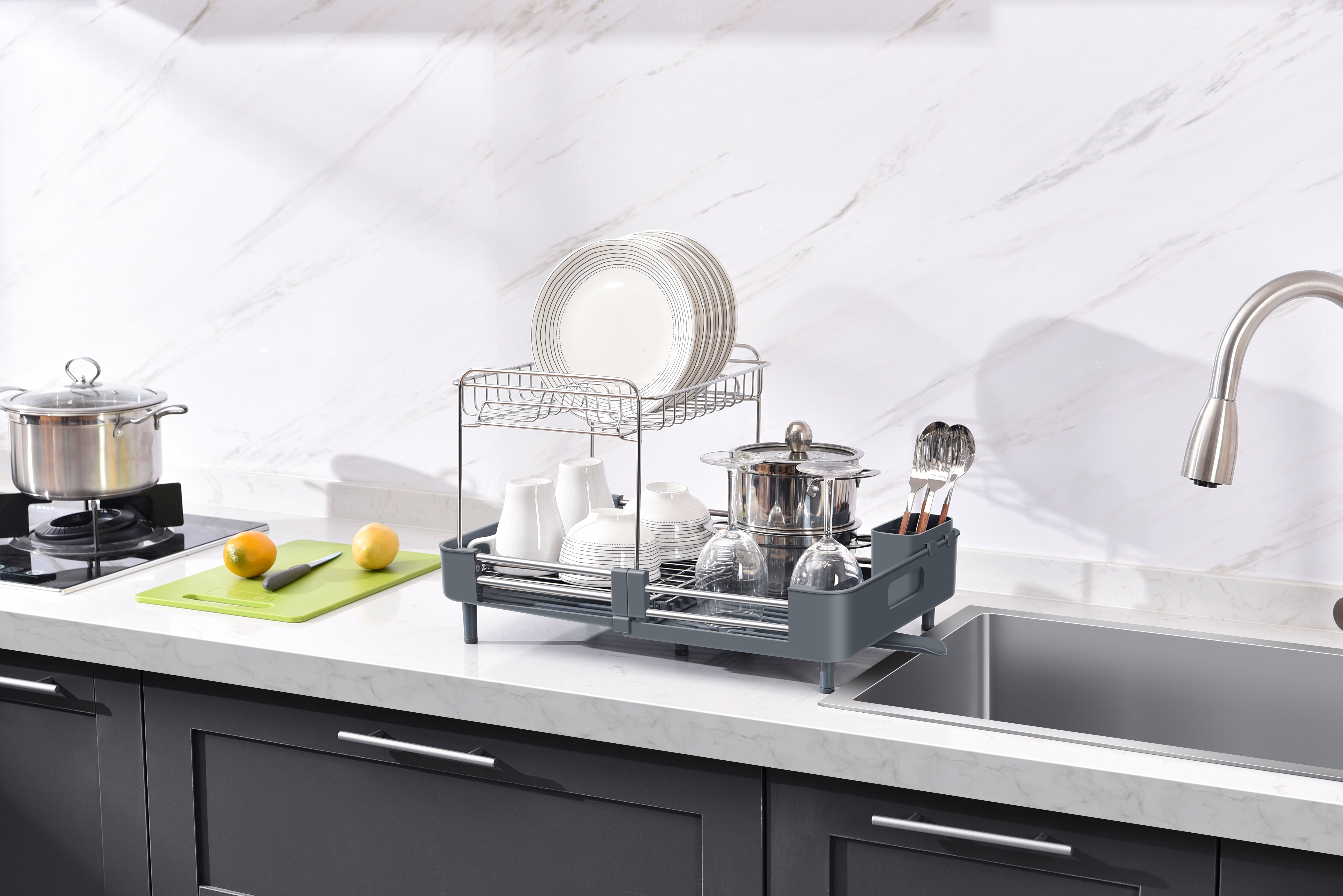
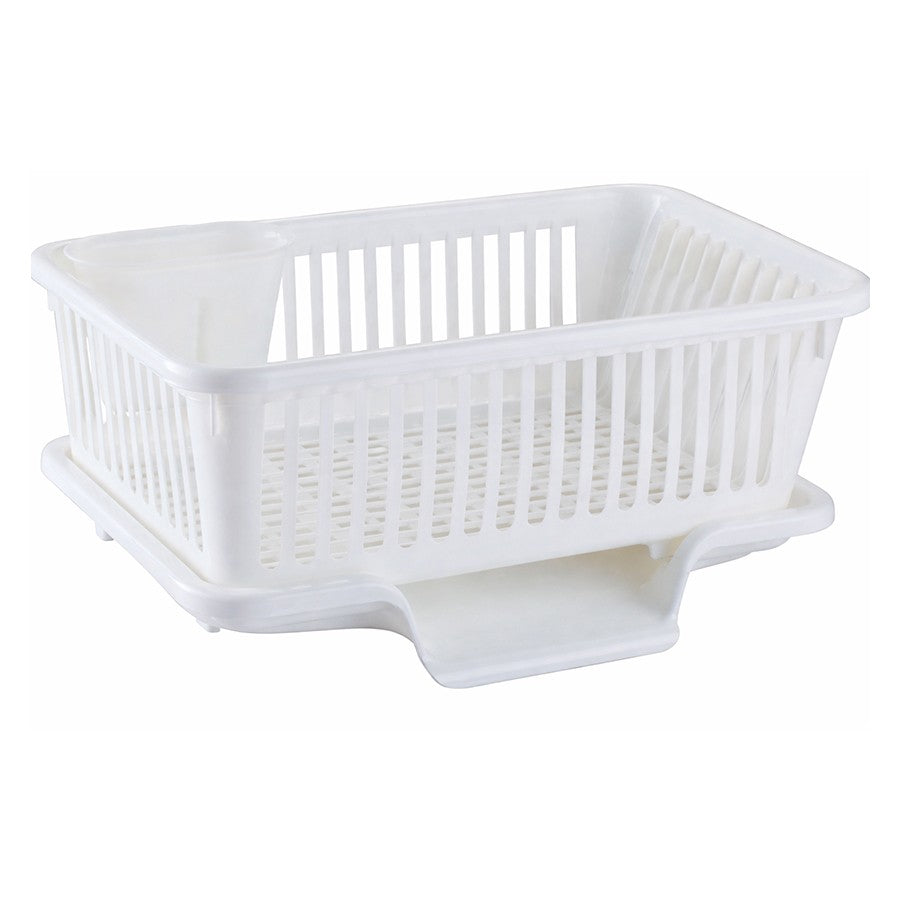
Two-Tier Drying Racks – Provide more storage by stacking vertically, making them perfect for families or homes with many dishes to wash daily.
Over-the-Sink Dish Racks – Designed to sit across the sink, they save counter space and let water drip directly into the basin.
Foldable Dish Drainers – Collapsible and portable, these are best for small kitchens, condos, or homes that need flexible storage.
Wall-Mounted Drying Racks – Attached above the sink or counter, these keep counters clear and add a built-in look to modern kitchens.
Each type of dish drainer has its advantages. For compact kitchens, over-the-sink and foldable racks are popular choices, while larger families often prefer sturdy two-tier drying racks.
How to Maintain a Dish Drainer for Long-Term Use
A dish drainer or drying rack can serve you well for years if it is properly maintained. To start, rinse and wipe it daily to remove water and soap residue, which helps prevent stains and odors.
For stainless steel or aluminum racks, it is especially important to dry them thoroughly to avoid rust.
Meanwhile, plastic and bamboo racks benefit from a weekly wash with mild soap and complete air-drying to keep mold at bay. Bamboo should also be treated occasionally with food-safe oil to preserve its surface.
In addition, schedule a deeper clean every two weeks. Soak detachable trays, utensil holders, and drip mats in warm water mixed with vinegar or baking soda to remove buildup and neutralize odors.
Finally, if you use a foldable dish drainer, collapse and store it when not in use to minimize dust and moisture. With consistent care, your rack stays clean, safe, and reliable.
Frequently Asked Questions (FAQs)
Keep your dish drainer and drying rack practical, clean, and suitable for everyday kitchen use.
What Is the Best Material for a Dish Drainer?
The best material for a dish drainer is metal because it is durable and rust-resistant.
Plastic is lighter and more affordable, while bamboo or wood offers a natural look and eco-friendly appeal. For the humid Philippine climate, metal or well-treated bamboo performs best.
How Do You Keep a Dish Drainer Clean?
You keep a dish drainer clean by rinsing the rack and removing leftover water daily. Wipe it with mild soap, and soak removable trays occasionally to prevent mold or mildew.
Do You Really Need a Dish Rack?
Yes, you need a dish rack because it keeps dishes upright and speeds up drying. It also prevents water from collecting on counters, making it an essential tool for busy households.