





Filters
3 products
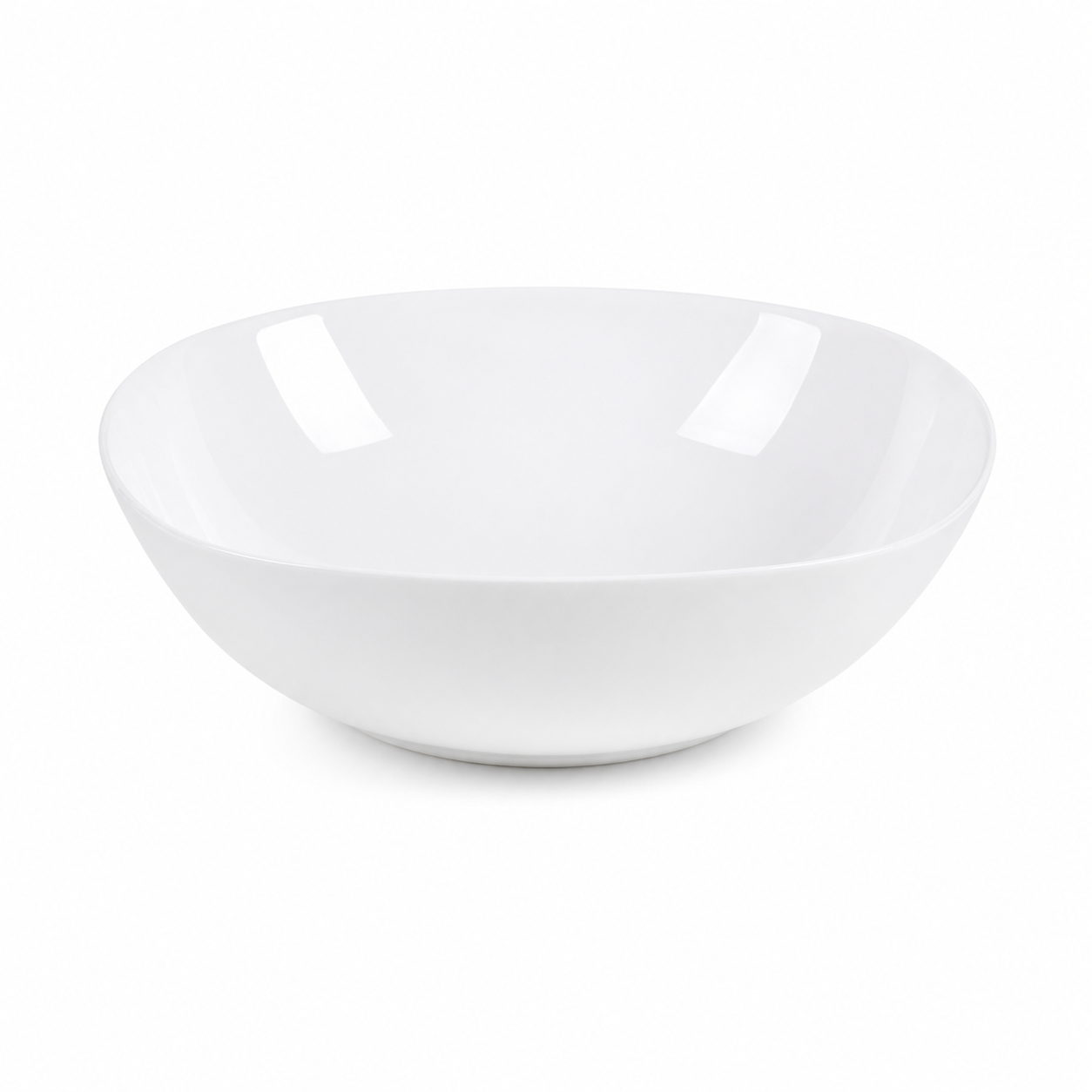
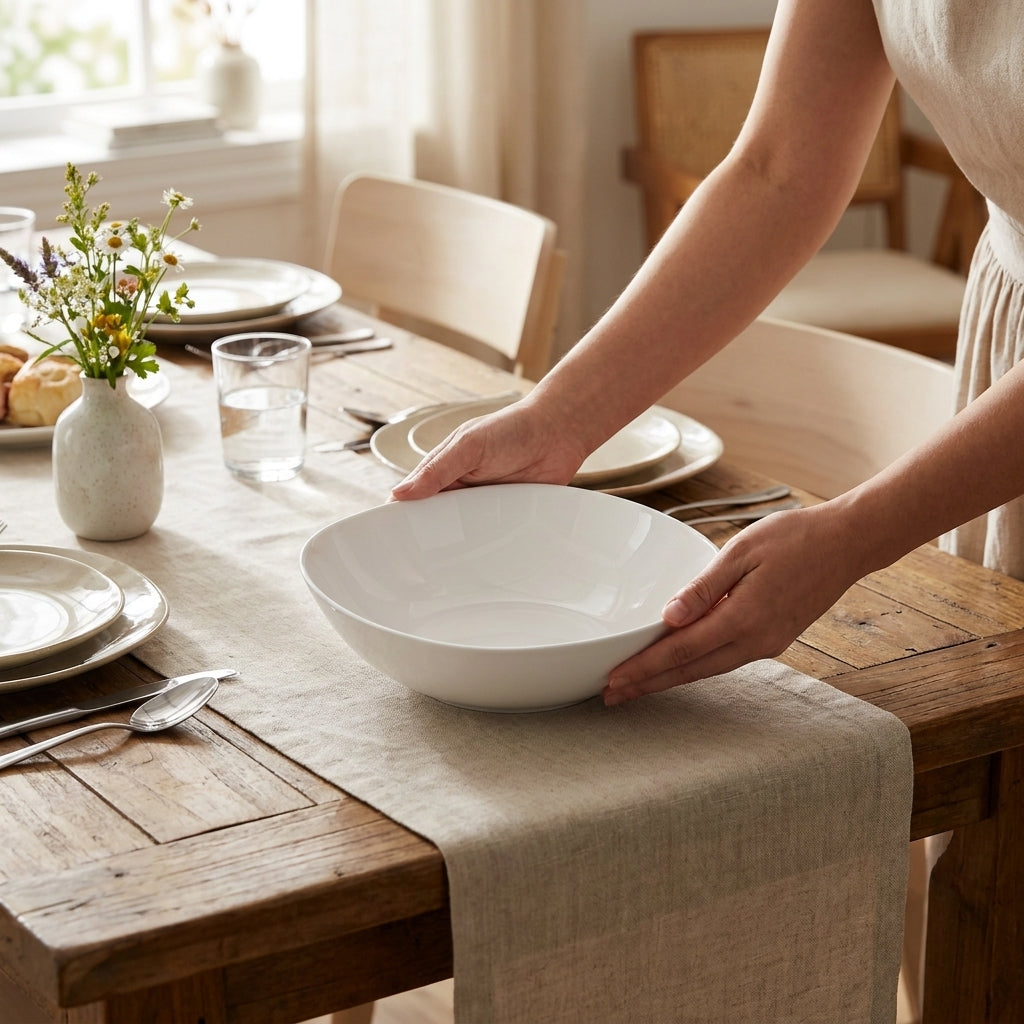
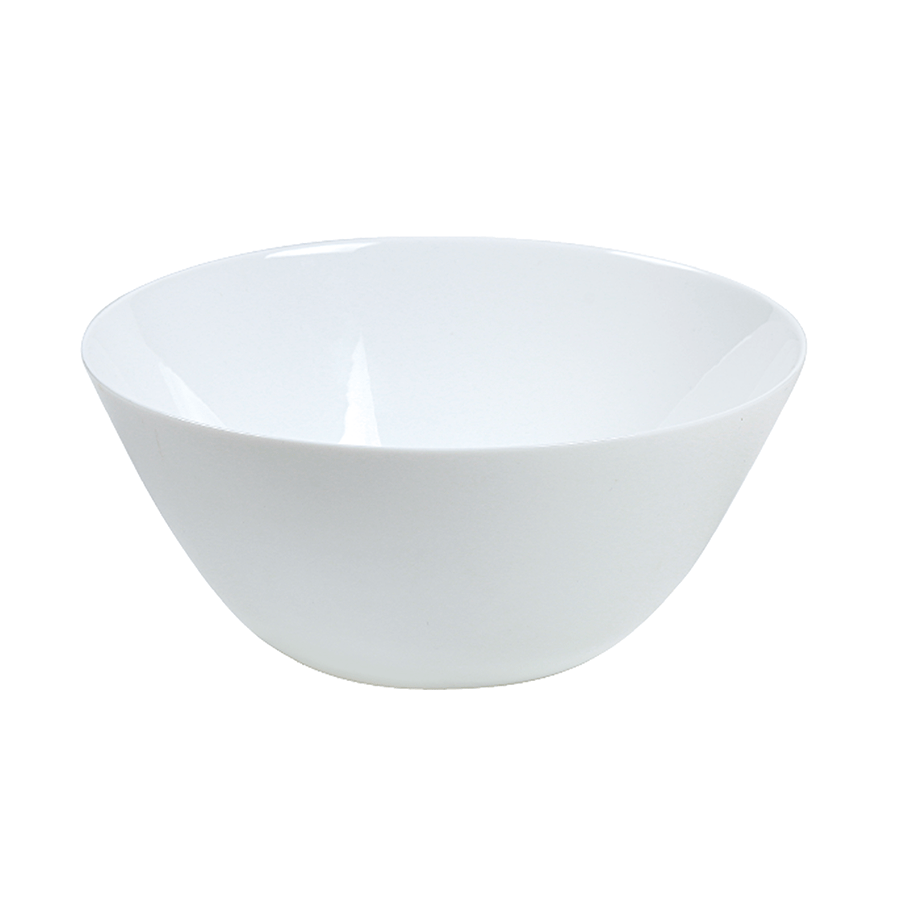
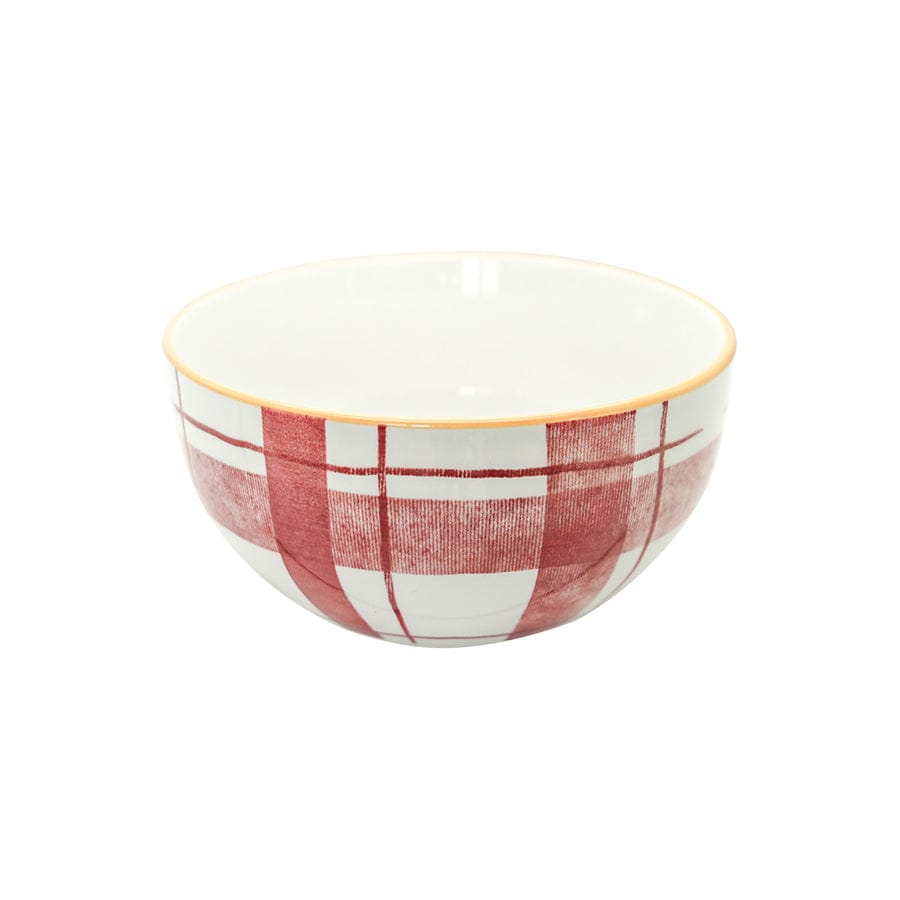
Why Choose Our Salad Bowls?
Our salad bowls are designed to balance good looks with everyday practicality in busy Filipino kitchens and dining rooms.
Durable Materials: Options in glass, ceramic, wood, and sturdy plastic support frequent use at home, in condos, or shared kitchens.
Everyday Versatility: Each salad bowl works for leafy greens, pasta, rice dishes, fruit, or snack mixes, so one piece can cover several serving jobs.
Lightweight Choices: Selected plastic and melamine-style bowls are easier to carry from the kitchen to the dining table, even when full.
Stable Bases: Many designs have broad or slightly textured bases to help reduce sliding on smooth tabletops during mixing and serving.
Space-Efficient Designs: Stackable shapes and nesting sets help you save cabinet space and keep shelves in order.
Size Variety: Choose compact bowls for solo meals and side salads, or larger, deeper pieces for family-style sharing and party buffets.
Because we manufacture and source locally where possible, we can keep price and quality in balance. Our goal is to offer salad bowl options that feel solid in the hand, match your tableware, and remain within a practical budget for most households.
How to Use Your Salad Bowl
Using a salad bowl well starts with matching the size and depth to the type of dish you are serving. Deep bowls are better for mixing and tossing, while wide, shallower bowls are ideal for display and easy access.
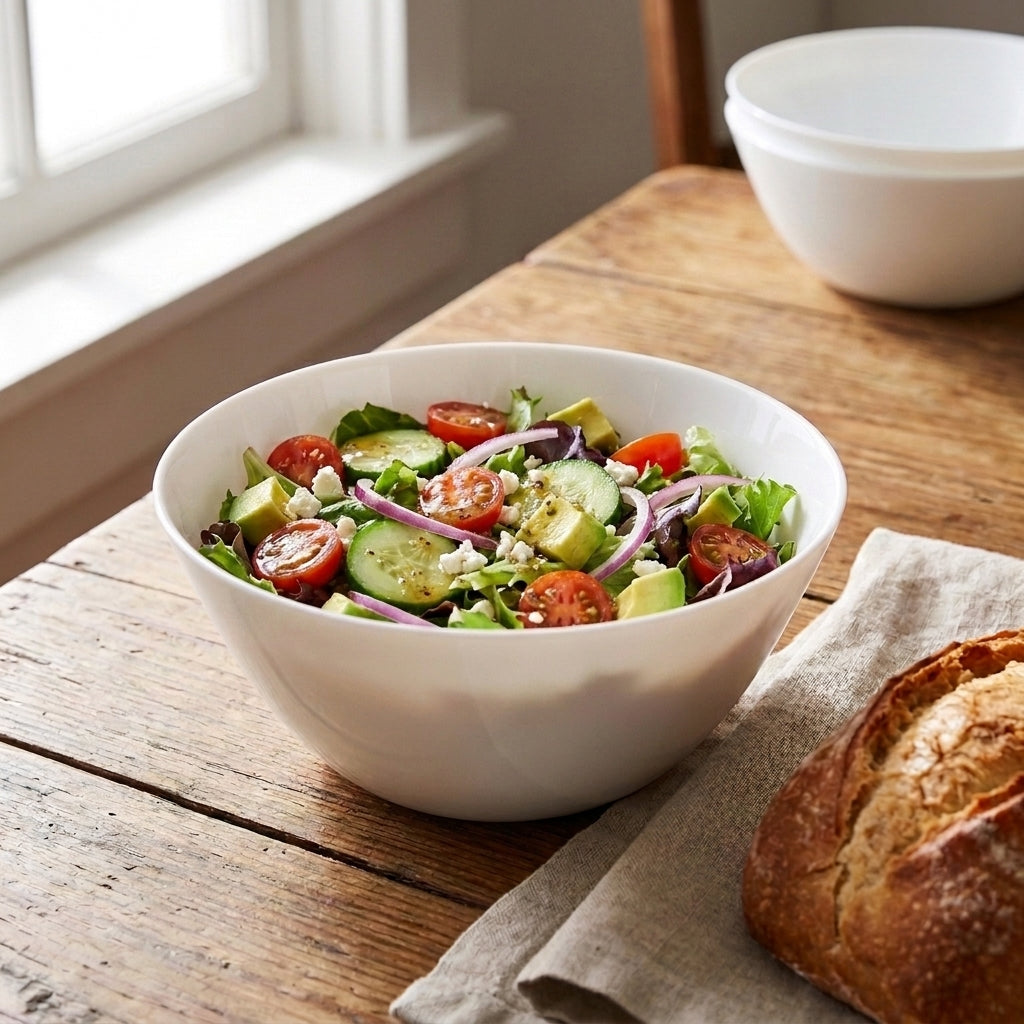
For leafy salads, place the greens at the bottom, add the toppings, then drizzle the dressing around the sides of the bowl before tossing with serving spoons. This method helps coat ingredients evenly without crushing them.
For pasta or grain salads, mix the dressing and main ingredients directly in the salad bowl, then add delicate toppings, such as cheese or nuts, at the end to keep the texture.
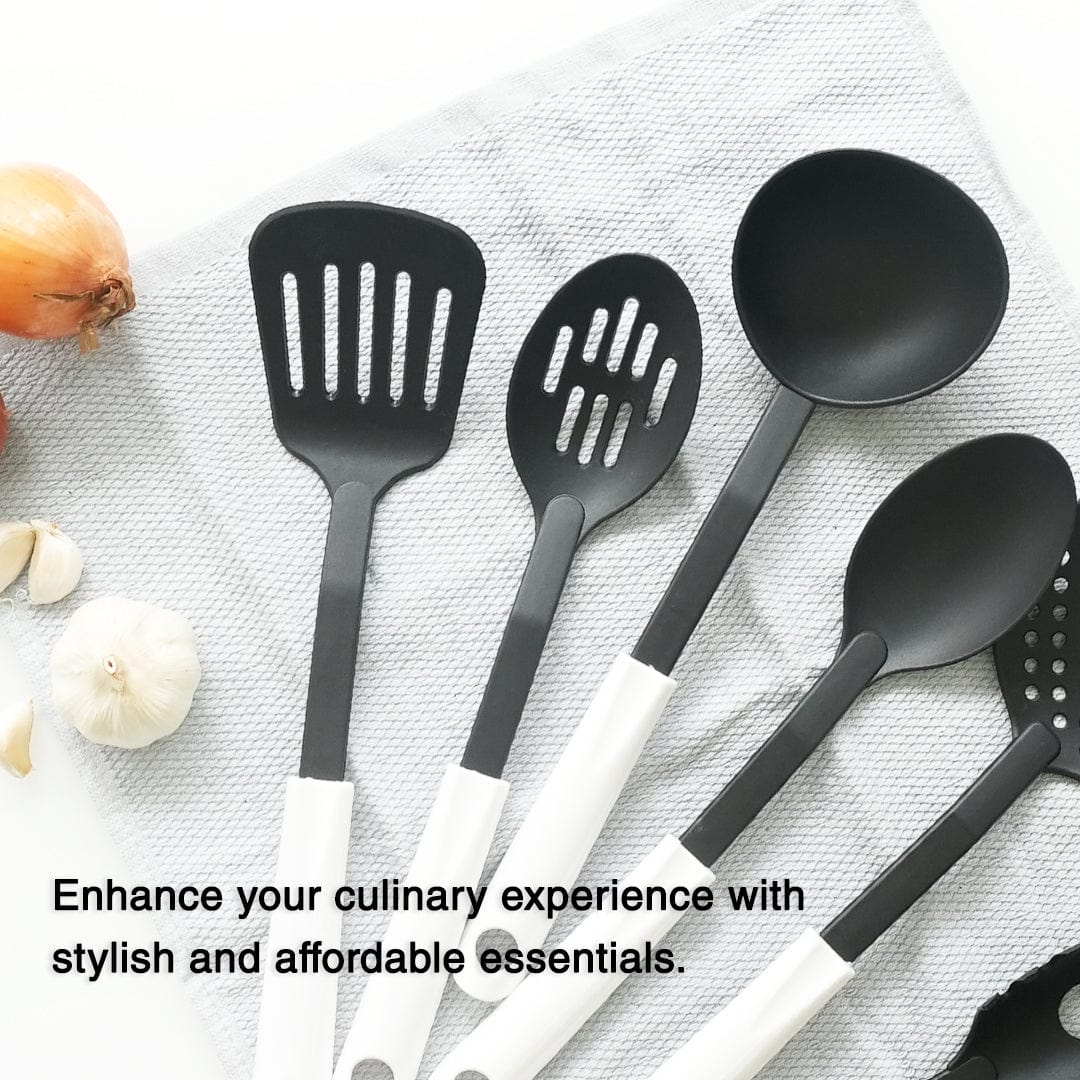
You can also use your salad bowl as a central serving piece during family meals or celebrations. Pair it with matching spoon and fork sets, colanders for rinsing vegetables, and reliable cooking utensils to create a complete preparation and serving flow from sink to table.
When the meal is over, transfer any salad leftovers to food storage containers and return the bowl to the rack for subsequent use.
Cleaning & Care Instructions
Proper care helps your salad bowl stay clean, safe, and presentable for long-term use. Always follow any care notes on the product label, then use these general guidelines as support.
Basic Cleaning Steps:
Rinse off sauces and dressings soon after use to reduce staining and odor.
Wash with mild dish soap and warm water, using a soft sponge or cloth.
Rinse thoroughly so no soap film remains on the surface.
Dry with a soft towel or place on a dish drainer or drying rack until fully dry.
Material-Specific Tips:
Glass and Ceramic Bowls: Many are dishwasher safe, but use gentle cycles and avoid sudden temperature changes to help prevent cracks or chips.
Wooden Salad Bowls: Hand-wash only; avoid soaking; dry immediately. You may apply food-safe oil periodically to prevent the wood from drying out.
Plastic or Melamine-Style Bowls: Use non-abrasive cleaners and avoid bleach or scouring pads, which can scratch the surface. Keep away from very high heat.
Metal or Stainless Bowls: These usually handle frequent washing well, but check for any coating and follow instructions to avoid damage.
Store salad bowls upright in your cabinets, and avoid stacking heavy items on top to protect the rims and edges.
Frequently Asked Questions (FAQs)
Which Salad Bowl Materials Are Most Durable: Glass, Ceramic, Wood, or Plastic?
Glass and ceramic salad bowls are rigid and stable, and they resist stains well when handled with care, but they can chip or break if dropped.
Meanwhile, wood and high-quality plastic bowls are less likely to shatter and easier to carry, especially for children or large servings, provided you follow proper washing and drying instructions.
Are Deep Salad Bowls Better for Mixing and Tossing?
Deep salad bowls are usually better for tossing because the higher sides help keep leaves, pasta, or toppings inside the bowl as you mix. Shallow bowls, on the other hand, work very well for serving and display once the salad is already mixed.
Many households keep at least one deeper bowl for preparation and one wider bowl for presentation.
Do Salad Bowls Come in Sets or as Single Pieces?
Salad bowls are available both as individual pieces and as part of serving sets. Single bowls are ideal if you want a single statement piece at the center of your table, while sets are helpful when you want matching sizes for family meals, guests, or coordinated tableware.
How Do I Choose the Right Salad Bowl Size for My Table?
For two to four people, a medium salad bowl that provides enough room to toss without spilling is usually enough. For larger households or frequent gatherings, a larger family-size bowl works better, with smaller side bowls available for guests who prefer individual portions.
Consider the size of your dining table and storage space so the bowl fits comfortably in both areas.




By switching the branch some items in your cart will be cleared depending on the availability of the item. Would you like to proceed?